
4 min
When Safety Feels Like Friction — and What Leading Alberta Employers Do Differently
How Safety Governance and Executive Oversight Strengthen Compliance and Inspection Readiness in Alberta
Read
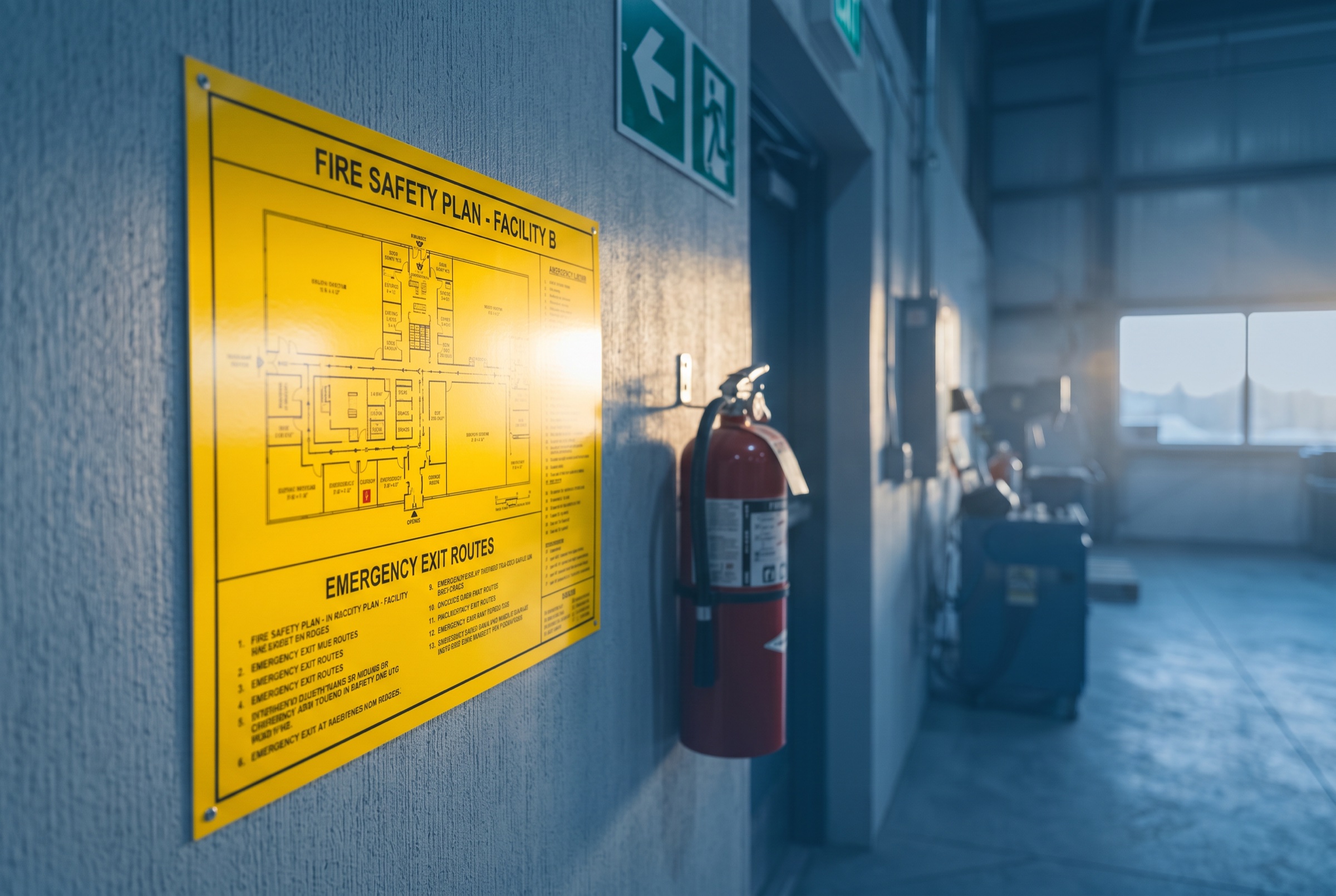
Alberta employers are required to have a fire safety plan — but most plans sit in a binder and never get tested. Here is what a compliant, practical fire safety plan looks like and how to make sure your workers actually know what to do.
Employers in Alberta are legally required under the OHS Code to develop and implement a workplace-specific fire safety plan that includes evacuation procedures, fire prevention measures, and training for workers. You start to panic. Wishing you would have come up with an escape route or plan to get out. This is where the Fire Safety Plan comes in handy. Fires affect thousand of Canadians every year whether they are workplace fires, house fires and/or forest fires.
In 2014 there was 2,118 residential fires in Alberta resulting in 18 deaths and 104 fire related injuries. In Canada there was 12,071 residential fires resulting in 96 deaths and 928 fire related injuries.
Always remember before you leave your house, ensure to turn off all potential appliances that could become the source of ignition such as your stove, oven, heaters, and fire place.
As you read through this blog you will learn some planning escape tips and how to test the efficiency of your plan. Also some tips to help eliminate potential house fires.
Planning Escape Tips:
Testing your Plan:
The top 10 tips to prevent house fires
Under Alberta OHS law, all employers must have a documented fire safety plan tailored to their workplace, and it is not optional or only upon request. Feel free to give us a call at (780) 473-4772 or email us at info@safetyahead.ca
Written by
Safety Ahead Team
Alberta-based safety consultants with decades of field experience — COR auditors, OHS advisors, and WCB specialists working with employers across the province.
About Safety AheadWe help Alberta employers build seasonal safety plans and emergency response procedures that actually get followed in the field — not just filed in a binder.
Keep reading
How Safety Governance and Executive Oversight Strengthen Compliance and Inspection Readiness in Alberta
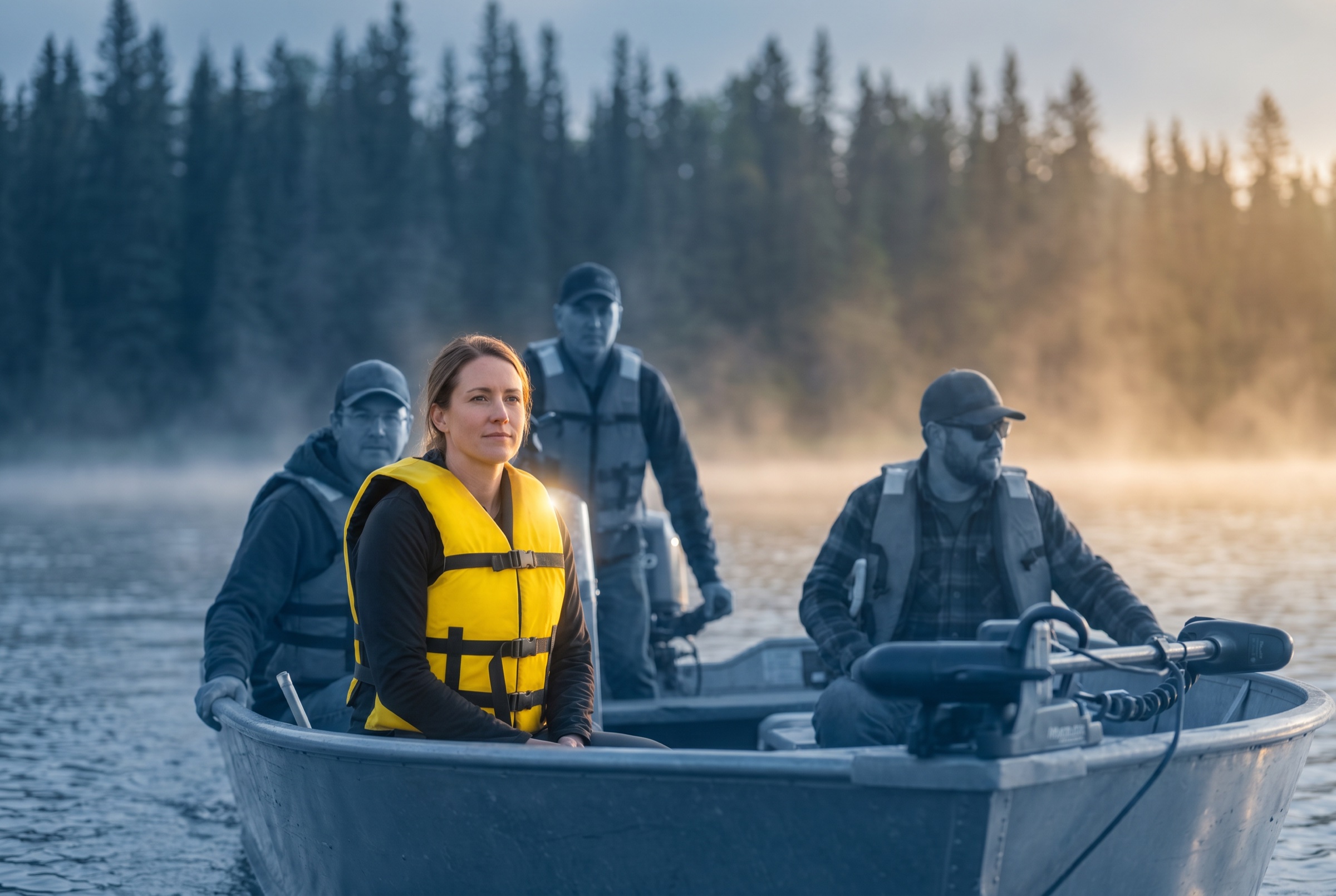
Alberta employers whose workers operate boats — on lakes, rivers, or remote access routes — carry safety responsibilities that go beyond a life jacket. Here is what the OHS Act requires and what good practice looks like.

A good safety advisor doesn't just know the regulations — they know how to make safety work in the real world of Alberta construction, oil and gas, and industrial operations. Here is what to look for when you're hiring.