4 min
When Safety Feels Like Friction — and What Leading Alberta Employers Do Differently
How Safety Governance and Executive Oversight Strengthen Compliance and Inspection Readiness in Alberta
Read
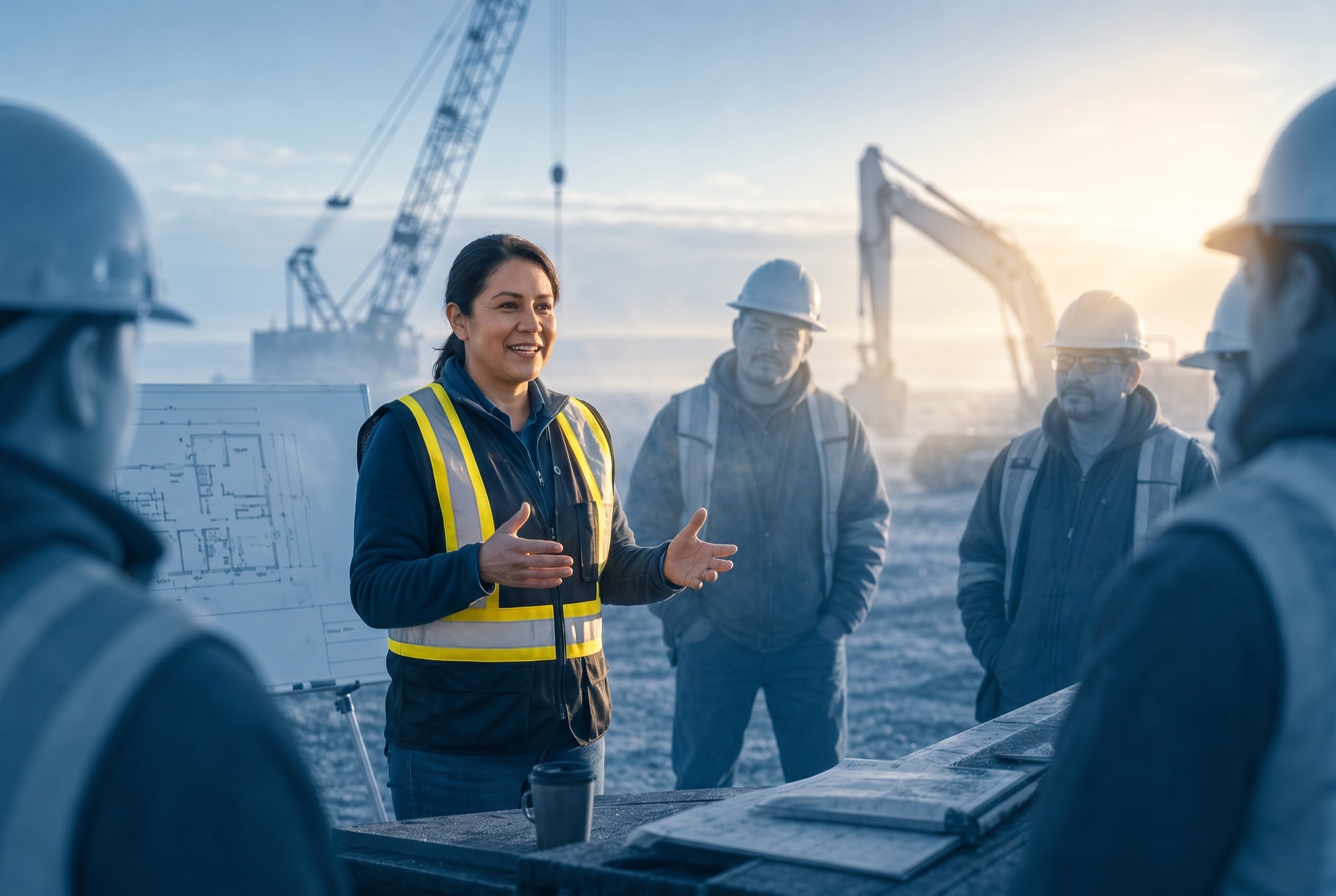
What many Alberta contractors discover when their company grows beyond informal safety practices.
As our landscaping company grew, I started realizing something many contractors eventually face.
We had reached the point where informal safety practices were no longer enough.
In my previous reflection, I described the moment it became clear our company had outgrown the way we were handling safety.
We weren’t just running projects anymore.
We were responsible for managing a safety system.
Up to that point, safety had mostly meant experience and practical habits. We wore PPE, talked through hazards with the crew, and usually started the day with a quick conversation about the work ahead. Looking back, those discussions were essentially informal toolbox talks and Field Level Hazard Assessments (FLHAs) — even if we didn’t call them that at the time.
For a small crew working closely together, that approach felt like enough.
But as the business expanded, I began seeing something more clearly. Workplace safety in Alberta is defined by how well a company’s operations align with the Occupational Health and Safety Act, Regulation, and Code, which set expectations for identifying hazards and controlling risk.
At first, I assumed the next step would be simple.
If we needed a real safety program, we would just put one in place.
But the more I understood our responsibilities, the more I realized how serious the stakes were. If something major happened on one of our sites, the consequences wouldn’t just affect the crew. An investigation, legal exposure, and the financial fallout could be severe enough to shut down the business we had spent years building.
At the same time, another reality was staring me in the face.
If I lost the experienced workers who kept the company running, I wouldn’t have much of a business either.
That’s the position many Alberta contractors eventually find themselves in.
On one side, the legal responsibility under Alberta’s Occupational Health and Safety Act means you cannot ignore safety. On the other side, pushing changes too aggressively can frustrate the very people who make the company work.
Either way, the stakes are high.
How do you put structure around safety without losing the team that built the company?
This reflection continues the journey described in the previous article. The experiences shared here reflect situations described by Alberta contracting business owners. Certain details have been adjusted to protect client privacy.
Recognizing that a company needs a formal safety system is an important turning point. But knowing something must change is very different from knowing how to introduce those changes inside a working crew environment.
By this stage our company had multiple job sites running, seasonal workers joining each year, and supervisors managing projects independently. The work still felt familiar, but the number of variables had grown.
We had also promoted strong operators into supervisory roles because they were good at the work. What I began realizing is that being good at the job doesn’t automatically mean someone has been taught how to manage safety on a crew.
Another thought also started crossing my mind. If an Alberta OHS officer showed up on one of our sites and asked how we identify hazards, train workers, and monitor safety, good intentions wouldn’t be enough. We would need to demonstrate a clear system.
The challenge was introducing that structure without creating unnecessary friction with the crew.
The Tension Many Contractors Feel
For many contracting businesses, the biggest concern about tightening up safety isn’t compliance.
It’s the crew.
My team takes pride in their work. Several had been with the company since the early days, and their experience helped build the business. The last thing I wanted was for them to feel like new safety procedures meant the company suddenly didn’t trust their judgment.
But I had also heard enough stories from other contractors to know how easily safety changes can backfire.
One friend who runs an excavating company told me about an experienced operator who quit after being asked to complete a competency assessment. From management’s perspective it was about documenting qualifications, but the worker saw it as a lack of trust in his experience.
Another contractor ran into a different problem when his company began enforcing safety paperwork. The crew had never been properly trained on the documentation before. Some workers felt embarrassed admitting they didn’t know how to complete the forms and instead moved on to companies where those expectations didn’t exist.
Stories like that stuck with me.
Good workers are hard to find — and even harder to replace.
The situation started to feel like a balancing act: ignore safety and risk the business, or push too hard and risk losing the people who make the business possible.
Not Every Issue Carries the Same Risk
One thing that became clear is that not every safety issue carries the same level of risk.
Some hazards create immediate danger — operating equipment near pedestrians, ground disturbance, or servicing machinery without controlling hazardous energy. On a landscaping site that might mean stopping work when a skid steer is operating too close to foot traffic or when excavation approaches underground utilities.
Focusing on those high-risk hazards helped prevent the crew from feeling overwhelmed by paperwork.
In strong work environments, workers report hazards and near misses because they trust leadership will respond constructively. But when safety becomes overly punitive or focused only on enforcement, reporting can slow down.
Hidden hazards are far more dangerous than visible mistakes.
The Leadership Shift
At this stage something else became clear.
Implementing safety wasn’t just about procedures or forms.
It required leadership — aligning supervisors, communicating expectations clearly, and introducing changes gradually so the crew understood the purpose behind them.
Looking back, implementing our safety program took far more time and effort than I expected. But once it was in place, it gave me something I hadn’t felt before — peace of mind knowing we were protecting both the crew and the business we had built.
If I had understood earlier how complex implementing safety would be, I likely would have brought in experienced safety advisors sooner to help guide the process.
If your company is reaching the point where informal safety practices are no longer enough, a Safety Management System Review can help clarify where your current practices align with Alberta OHS requirements — and where improvements may strengthen both compliance and operations.
Need a safety program your crew will actually follow? That's what we build.
Not sure if your safety program is actually complete?
Download our free Safety Program Gap Assessment — 9 elements Alberta employers should have covered before an OHS officer or auditor arrives.
Written by
Safety Ahead Team
Alberta-based safety consultants with decades of field experience — COR auditors, OHS advisors, and WCB specialists working with employers across the province.
About Safety AheadWe build and maintain Alberta safety programs that hold up under audit and inspection — hazard assessments, orientations, procedures, and ongoing support.
Safety Ahead services
Keep reading
How Safety Governance and Executive Oversight Strengthen Compliance and Inspection Readiness in Alberta

Bill 30 changed what Alberta employers are legally required to include in their safety programs. If your program hasn't been updated since 2018, it may no longer meet the minimum standard under the OHS Act.
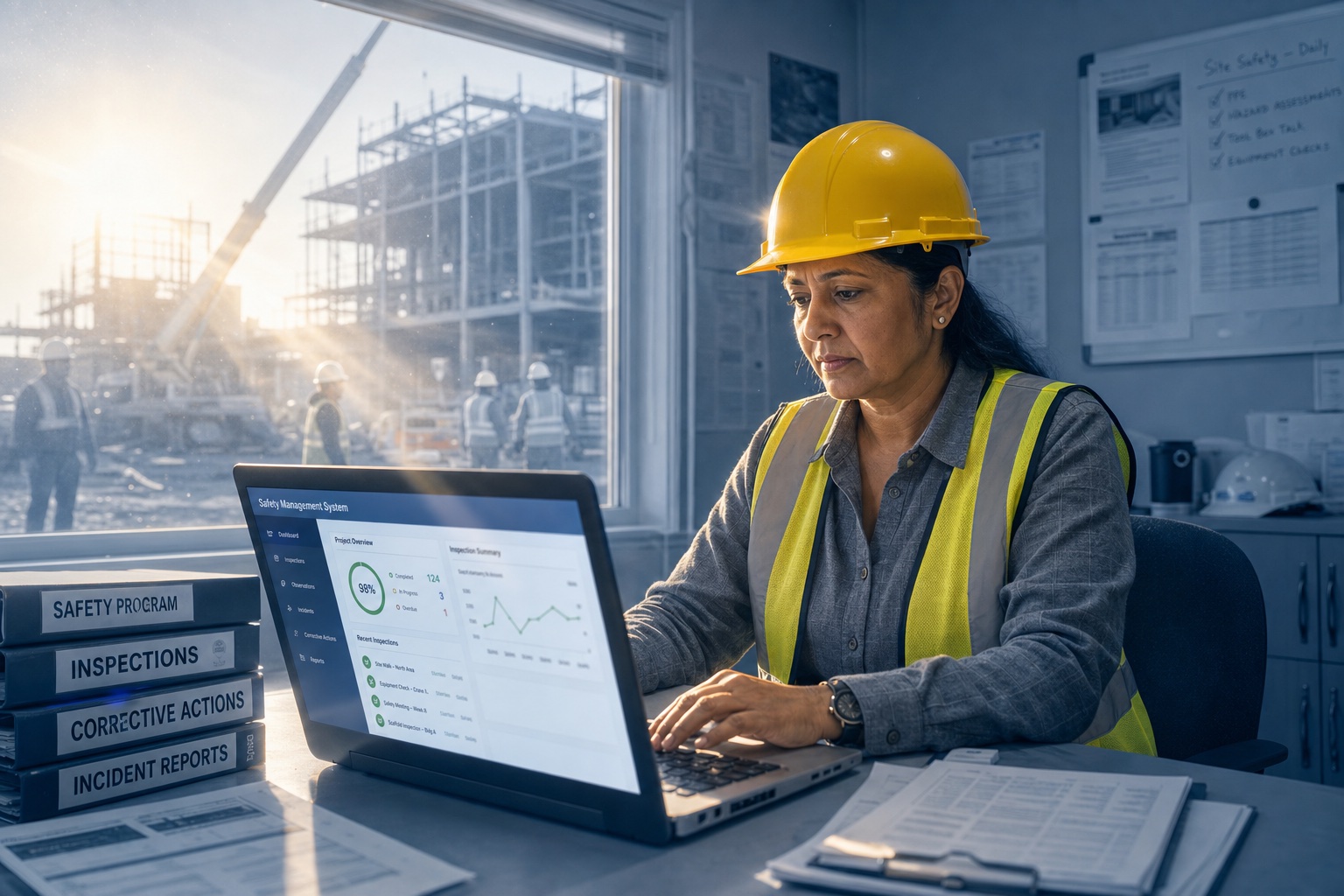
Digital tools are great for organizing paperwork, but they don't walk your site. Here is what happened when we mistook a safety app for a safety program—and why we finally brought in fractional safety leadership.