780-473-4772info@safetyahead.ca
Mon–Fri 7:30–4:30 · Fri closes 12:00 MTClosed
Safety Ahead Ltd.Safety Ahead Ltd.
BlogStore
Book a Consultation
Safety Ahead Ltd.Safety Ahead Ltd.
780-473-4772Book a Consultation info@safetyahead.ca
Safety Ahead Ltd. LogoSafety Ahead Ltd.

Senior safety management and compliance consulting for Alberta contractors — and companies working across provincial and US borders.

Safety in a Box Store

Services

  • All Safety Consulting Services
  • OHS Orders & Compliance
  • COR program & certification
  • SECOR — Small Employer Info
  • Safety Program Development
  • Safety System Assessment
  • Fractional Safety Manager
  • Supervisor & Team Training
  • Contractor Prequalification
  • WCB Claims Case Management
  • Incident Investigation
  • Safety Services Across Alberta

Alberta coverage

  • Across Alberta
  • Edmonton & Area
  • Calgary & Southern Alberta
  • Red Deer & Central Alberta
  • Northern Alberta

Industries

  • All Industries
  • Construction & Civil
  • Oil, Gas & Energy
  • Trades & Subcontractors
  • Manufacturing & Fabrication
  • Transportation & Logistics
  • Engineering & Technical Consulting
  • Equipment Rental & Industrial Services
  • Electrical Contractors

Resources

  • All Free Resources
  • OHS Order Response Checklist
  • COR Audit Checklist
  • Safety Program Checklist
  • Alberta OHS Glossary
  • Safety Insights Blog
  • Client References

Company

  • About Us
  • Careers
  • Contact
  • Privacy Policy

Contact

  • 780-473-4772
  • info@safetyahead.ca
  • #201, 10404 66 Ave NW
    Edmonton, AB T6H 5R6

Credentials & Memberships

NCSO — National Construction Safety OfficerCHSC — Canadian Health & Safety ConsultantProud Member of the Alberta Construction Safety AssociationProud Member of the Edmonton Chamber of Commerce

© 2026 Safety Ahead Ltd. All rights reserved.

Privacy Policy·Contact·Safety in a Box Store

Scout — Safety Ahead

Back Tuesday at 7:30 AM MT

  1. Home
  2. Safety Insights
  3. How to Protect Yourself from Flu Pandemics
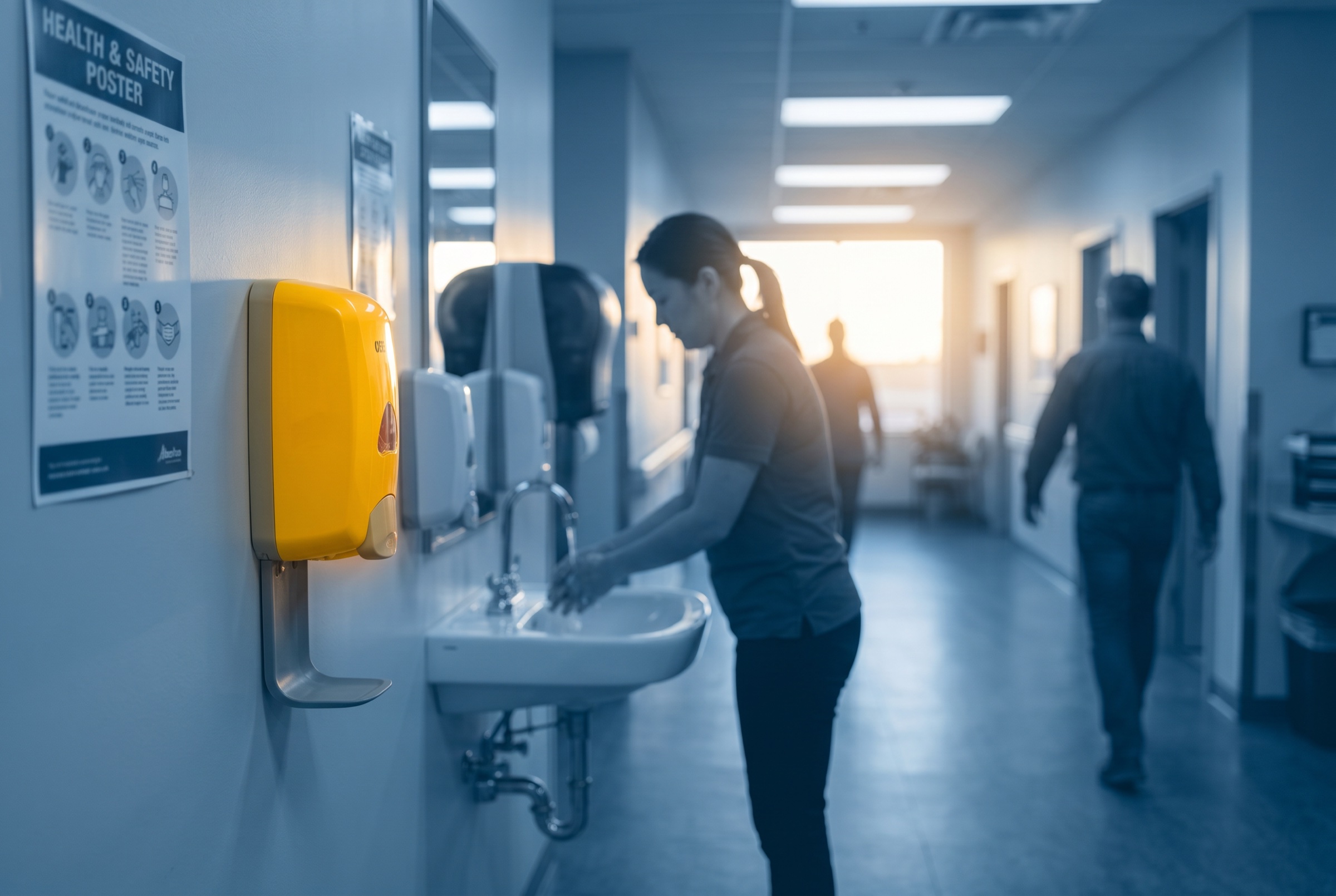
Alberta worker washing hands at a job site, hygiene station visible
Back to Safety Insights
Seasonal Safety 2020-03-09 3 min read

How to Protect Yourself from Flu Pandemics

Influenza and respiratory illness outbreaks create real operational risk for Alberta employers, especially those with workers in close quarters or remote camps. Here is what your safety program should include before the next outbreak.

Why Pandemics Create Real Risk for Alberta Worksites

As news breaks that the most recent flu, perhaps even pandemic, Coronavirus (COVID-19), is starting to spread around the globe, I can’t help but think how can we best keep ourselves, loved ones and workplace safe?

How the Virus Spreads and What to Watch For

For starters, having the correct facts can help in educating us while also mitigating extreme panic:

  • In looking for some real facts, I found that as of today, March 9, 2020, the number of cases of the COVID-19 worldwide is just over 114K – of this 68K of these cases are now closed with 4,026 people having succumbed to the illness, a 6% death rate, while over 64K people have recovered – a rate of 94%.
  • How do people contract COVID-19? In doing research on the Word Health Organization’s website I found that this flu is spread from person to person through small droplets from the nose or mouth which are expelled when an infected person coughs or exhales. A person can than catch the virus by breathing in or touching objects or surfaces around the infected person and subsequently touching their own eyes, nose or mouth. This is why it is important to stay more than 1 meter (3 feet) away from a person who is sick.
  • What are the symptoms? The most common symptoms of COVID-19 are fever, tiredness, and dry cough, with the occasional cases featuring aches and pains, nasal congestion, runny nose, sore throat or diarrhea. These symptoms are usually mild and begin gradually. Most people (about 80%) recover from the disease without needing special treatment, while some people become infected but don’t develop any symptoms.

What I have been able to take from this is that the real threat of COVID-19 is its ability to spread so widely, so quickly, but with the proper precautions in place and measures to deal with this illness it is possible to stop its devastation, or at least minimize it.

Simple Steps Workers Can Take to Protect Themselves

So, what can you do to protect yourself? The most important and easiest action you can take is to wash your hands – either with soap and warm water for at least 20 seconds, the use of hand sanitizer, or disinfecting wipes on hard surfaces. Secondly avoid touching your face when your hands have not been recently cleaned. These simple steps will be your greatest asset in preventing the spread of infection.

What Your Workplace Emergency Preparedness Plan Should Include

When it comes to your workplace, having a proper Emergency Preparedness Plan for staff and visitors will help keep your company safe and limited the effects of business-related impact:

  • Consider purchasing your own medical and supply kits including hand sanitizers, disinfecting wipes, masks and disposable gloves.
  • Encourage all staff to frequently sanitize their workspace, PPE and common areas by making the needed cleaning supplies accessible to all.
  • Limit face-to face-meetings with outside visitors and opt for conference calls or videos when possible
  • Provide education and awareness to your employees on how to deal with an emergency situation so they know how to care for themselves at work and at home with their families

How Safety Ahead Helps Employers Build a Pandemic-Ready Program

At Safety Ahead, we focus on assisting companies from every industry in developing health and safety plans that are tailored to the business’ needs, along with providing insight and preparedness for external emergencies, such as a flu pandemic. If you need assistance implementing a health and safety program contact us at info@safetyahead.ca or call 780-473-4772 today.

When it comes to protecting yourself from the Coronavirus (COVID-19), education and knowledge put into practise will be your greatest line of defense.

Cited: World Health Organization https://www.who.int/news-room/q-a-detail/q-a-coronaviruses and https://www.worldometers.info/coronavirus/

Frequently Asked Questions

COVID-19 spreads through small droplets from the nose or mouth when an infected person coughs or exhales, and by touching contaminated surfaces then touching your eyes, nose, or mouth.

The most common symptoms include fever, tiredness, dry cough, and sometimes aches, nasal congestion, runny nose, sore throat, or diarrhea, usually mild and starting gradually.

Employers should provide hand sanitizers, disinfecting wipes, masks, encourage frequent cleaning of workspaces, limit face-to-face meetings, and educate employees on emergency preparedness.

Wash hands frequently with soap and water for at least 20 seconds, use hand sanitizer, avoid touching your face with unclean hands, and maintain distance from sick individuals.

Written by

Safety Ahead Team

Alberta-based safety consultants with decades of field experience — COR auditors, OHS advisors, and WCB specialists working with employers across the province.

About Safety Ahead
More in Seasonal Safety All articles
Seasonal Safety

Is your team prepared for Alberta's seasonal hazards?

We help Alberta employers build seasonal safety plans and emergency response procedures that actually get followed in the field — not just filed in a binder.

Talk to our team Our Safety Services

In this article

  • Why Pandemics Create Real Risk for Alberta Worksites
  • How the Virus Spreads and What to Watch For
  • Simple Steps Workers Can Take to Protect Themselves
  • What Your Workplace Emergency Preparedness Plan Should Include
  • How Safety Ahead Helps Employers Build a Pandemic-Ready Program
  • Frequently Asked Questions

Seasonal Safety

Is your team prepared for Alberta's seasonal hazards?

Talk to our team

Safety Ahead services

How our team can help with this in Alberta

  • Talk to our team
  • Our Safety Services

Keep reading

More in Seasonal Safety

View all
Bill 30: Safety Program Requirements
2 min

Bill 30: Safety Program Requirements

Bill 30 changed what Alberta employers are legally required to include in their safety programs. If your program hasn't been updated since 2018, it may no longer meet the minimum standard under the OHS Act.

Read
Safety in a Box ™ - Keeping Workers Safe!
3 min

Safety in a Box ™ - Keeping Workers Safe!

Safety in a Box is Alberta's small employer safety program — designed for companies that need a compliant safety system without the overhead of a full-time safety manager. Here is what it includes and whether it's right for your operation.

Read
Winter Driving Tips!
5 min

Winter Driving Tips!

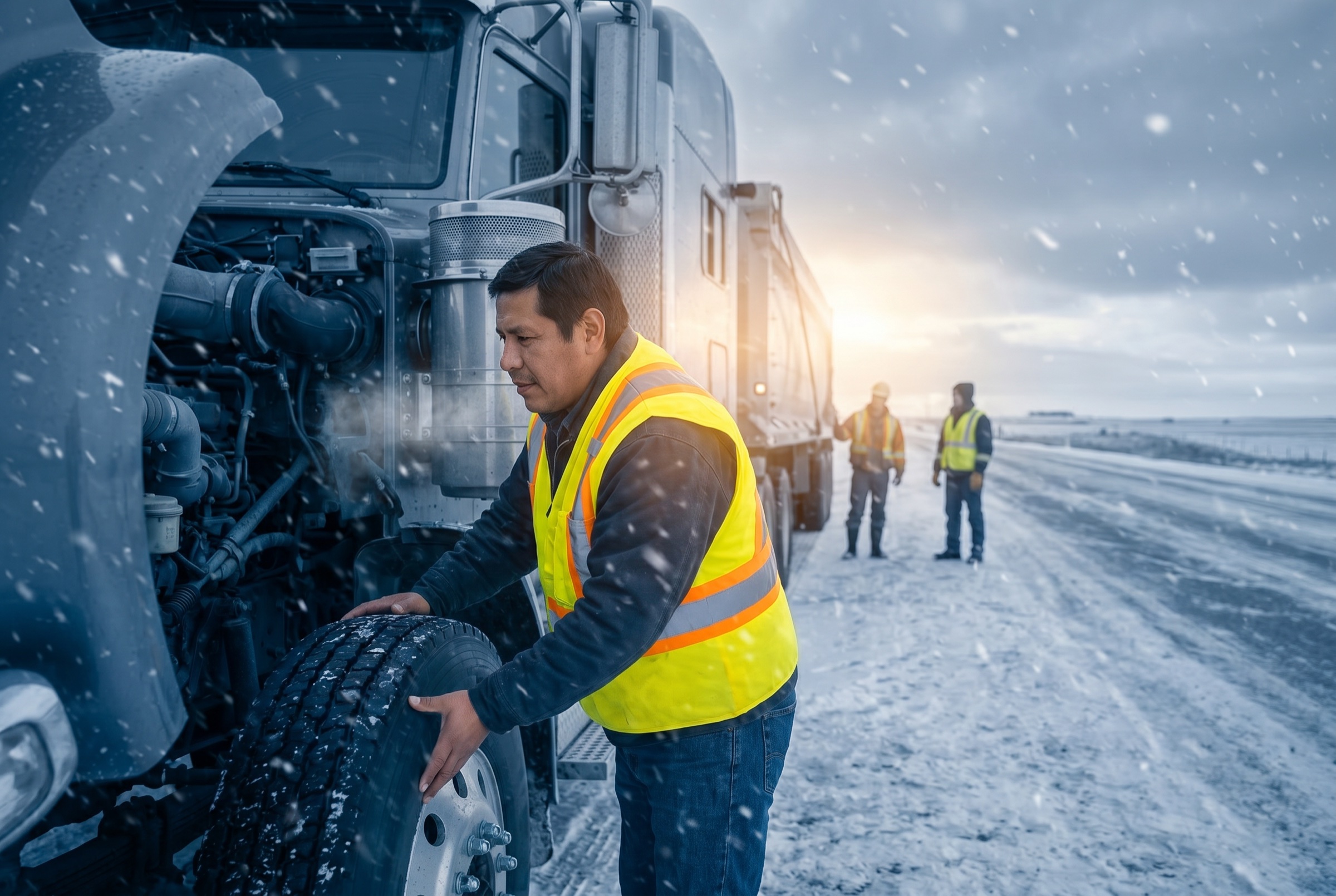
Alberta employers whose workers drive as part of their job have a legal duty to ensure those workers are equipped for winter road conditions. Here is what your fleet safety program needs to include before the snow flies.

Read