780-473-4772info@safetyahead.ca
Mon–Fri 7:30–4:30 · Fri closes 12:00 MTClosed
Safety Ahead Ltd.Safety Ahead Ltd.
BlogStore
Book a Consultation
Safety Ahead Ltd.Safety Ahead Ltd.
780-473-4772Book a Consultation info@safetyahead.ca
Safety Ahead Ltd. LogoSafety Ahead Ltd.

Senior safety management and compliance consulting for Alberta contractors — and companies working across provincial and US borders.

Safety in a Box Store

Services

  • All Safety Consulting Services
  • OHS Orders & Compliance
  • COR program & certification
  • SECOR — Small Employer Info
  • Safety Program Development
  • Safety System Assessment
  • Fractional Safety Manager
  • Supervisor & Team Training
  • Contractor Prequalification
  • WCB Claims Case Management
  • Incident Investigation
  • Safety Services Across Alberta

Alberta coverage

  • Across Alberta
  • Edmonton & Area
  • Calgary & Southern Alberta
  • Red Deer & Central Alberta
  • Northern Alberta

Industries

  • All Industries
  • Construction & Civil
  • Oil, Gas & Energy
  • Trades & Subcontractors
  • Manufacturing & Fabrication
  • Transportation & Logistics
  • Engineering & Technical Consulting
  • Equipment Rental & Industrial Services
  • Electrical Contractors

Resources

  • All Free Resources
  • OHS Order Response Checklist
  • COR Audit Checklist
  • Safety Program Checklist
  • Alberta OHS Glossary
  • Safety Insights Blog
  • Client References

Company

  • About Us
  • Careers
  • Contact
  • Privacy Policy

Contact

  • 780-473-4772
  • info@safetyahead.ca
  • #201, 10404 66 Ave NW
    Edmonton, AB T6H 5R6

Credentials & Memberships

NCSO — National Construction Safety OfficerCHSC — Canadian Health & Safety ConsultantProud Member of the Alberta Construction Safety AssociationProud Member of the Edmonton Chamber of Commerce

© 2026 Safety Ahead Ltd. All rights reserved.

Privacy Policy·Contact·Safety in a Box Store

Scout — Safety Ahead

Back Tuesday at 7:30 AM MT

  1. Home
  2. Safety Insights
  3. No Incidents Reported—Was My Business Actually Safe?
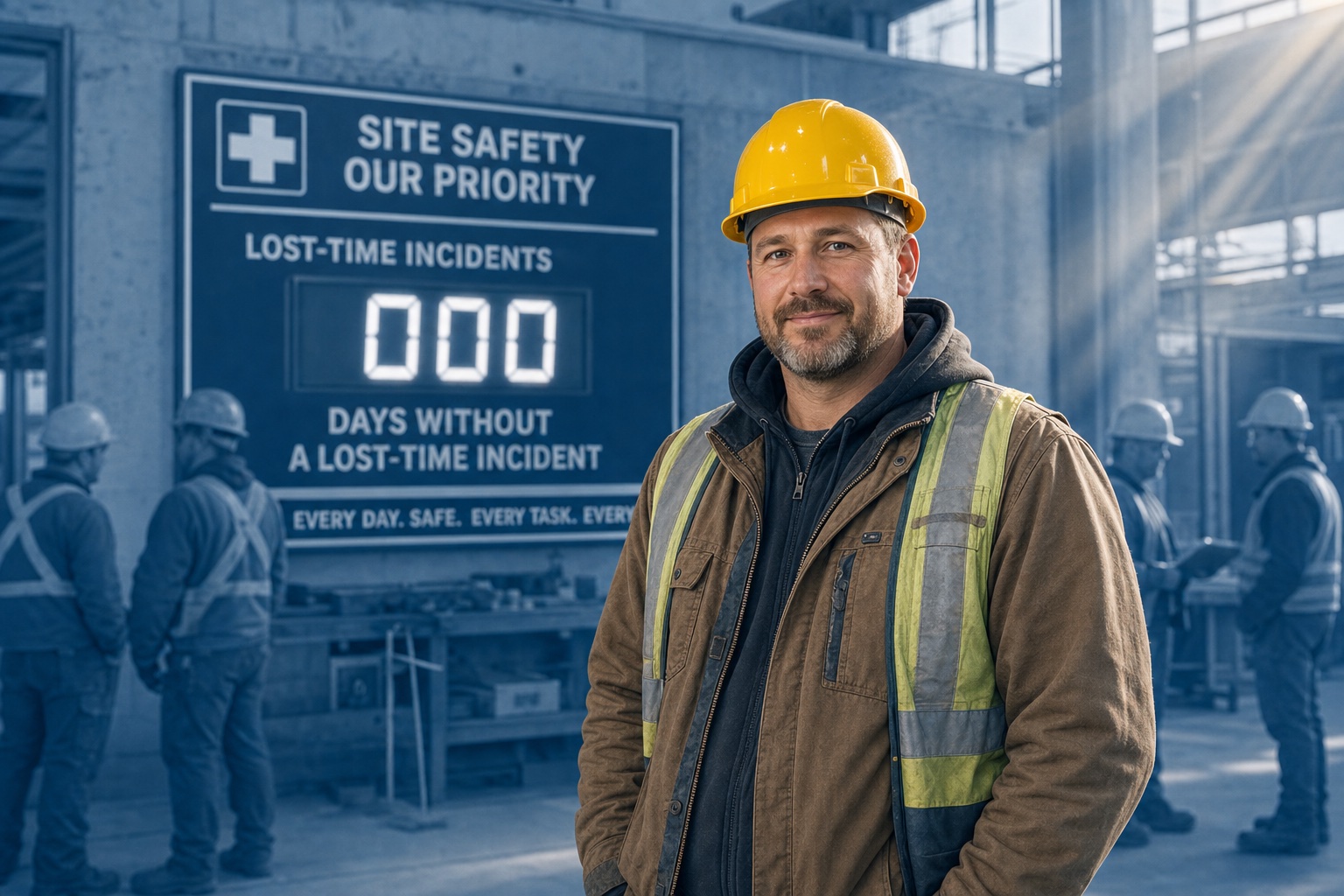
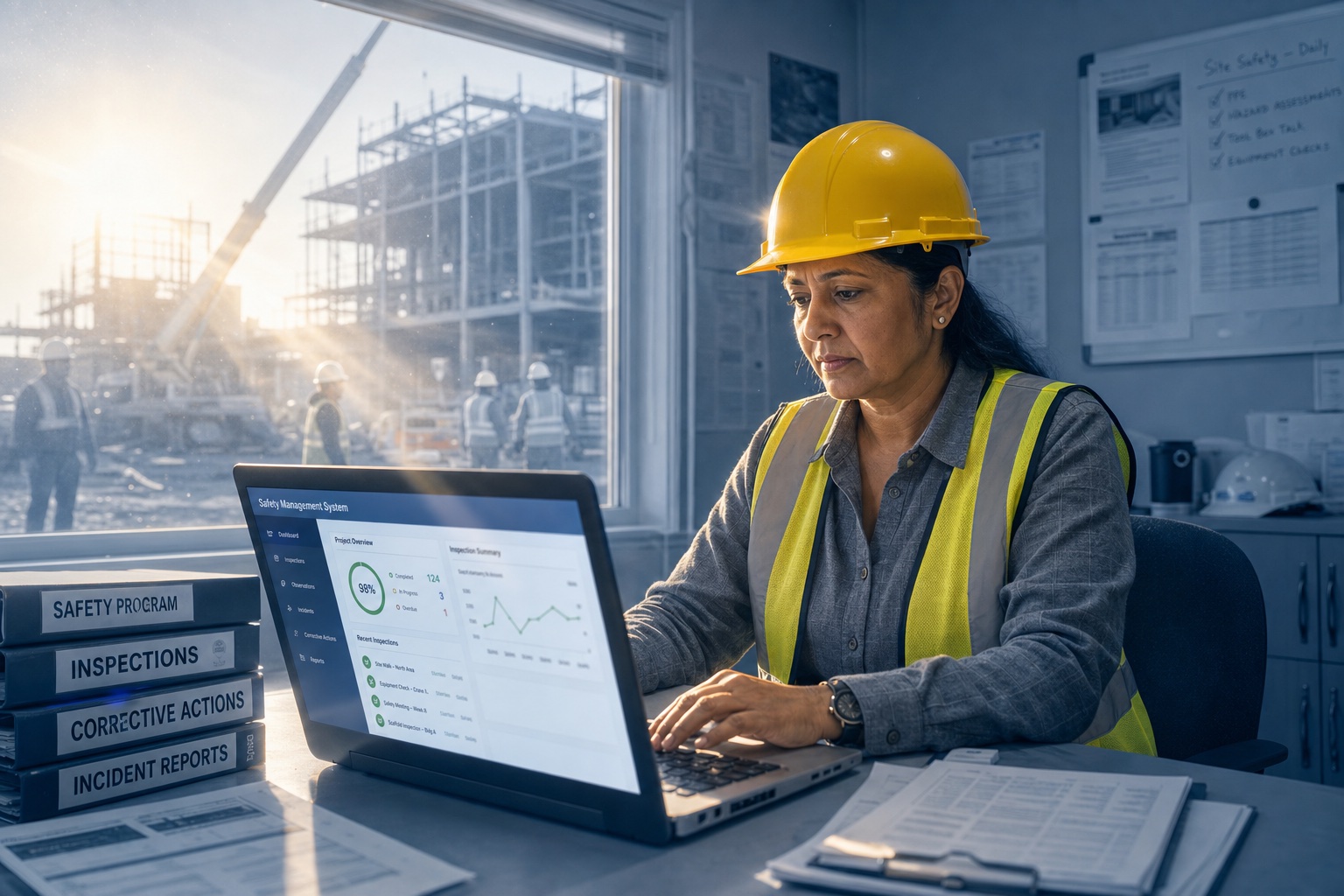
Alberta safety manager reviewing an incident-free month report, crew visible through window
Back to Safety Insights
Incident Management 2026-04-13 4 min read

No Incidents Reported—Was My Business Actually Safe?

A serious incident revealed what wasn't being reported. No incidents on paper doesn't mean no risk on site — it often means the reporting stopped. Here's what we learned when everything looked fine, and then it wasn't.

This story is based on real business owners in Alberta. Some details have been changed to protect confidentiality.

We Were Focused on Getting the Work Done

We were busy. Like most growing businesses, there was constant pressure—deadlines, crews, coordination, and clients all competing for attention. The priority was keeping work moving.

At the time, safety felt separate from operations. It was important, but not always practical. FLHAs were rushed—sometimes reused from similar work because it felt “close enough.” The paperwork was getting done, but not always accurately.

Toolbox talks were still happening, but they focused more on timelines and coordination than on what had changed or where the risks were. It didn’t feel like we were cutting corners—it felt like we were being efficient.

Nothing Was Getting Reported—and I Took That as a Good Sign

On paper, everything looked good. No hazard reports, no near misses, no incidents. I took that as a sign everything was working.

We even introduced a small incentive tied to having no incidents. Reporting dropped, and the record stayed clean.

What I didn’t realize was that it wasn’t improving safety—it was discouraging reporting. When small issues came up, they were handled in the moment and never written down because it felt like they had already been dealt with.

Nothing was forcing us to look deeper, which made it easy to assume everything was fine.

Looking back, we weren’t seeing fewer issues—we were just hearing about fewer of them. We weren’t managing risk—it wasn’t being recorded.

Then Something Changed—and We Didn’t See It Coming

We introduced new equipment into the job—something that made sense operationally. But we didn’t fully account for how that changed the work.

The setup was different. The space was tighter. The positioning created conditions that weren’t part of our usual process.

We had an FLHA, but it had been carried forward from similar work. It was signed—but not updated to reflect what was actually different.

At the time, that didn’t stand out. But the conditions weren’t the same—and neither were the hazards. The difference wasn’t obvious until the work was already underway.

Without reporting or visibility, the gap went unnoticed. A serious incident occurred, and that’s where things got messy.

Where the Time Actually Went

Work stopped.

What followed was everything that comes with it—reporting, investigation, documentation, and corrective actions. Each step had to be completed before work could continue.

An OHS officer became involved, and we had to show what was in place—and where it had fallen short. The disruption carried into the days that followed, pulling supervisors, management, and crews into dealing with what happened.

What I thought was the efficient way to run the work turned out to be the most disruptive.

What I Didn’t See

I believed we had a safety system. On paper, everything looked right.

But what we had was activity—not visibility. The information we relied on wasn’t reflecting what was actually happening in the field.

I didn’t realize that I was putting my people and the company at risk.

Nothing failed all at once.

Small gaps were missed and not addressed. Over time, they became normal. What should have been corrected became something we worked around.

An FLHA gets reused because it’s “close enough.” A minor issue gets handled but never reported. Each decision makes sense in the moment.

But over time, those decisions shape how the work actually gets done.

The risk didn’t suddenly appear—it built over time through hazards and near misses that weren’t being identified or reported.

What Changed for Me

After that, I stopped looking at safety as something separate from the work.

It became how I understood what was actually happening in the operation. Reporting wasn’t extra work—it was how we protected our people and business.

The shift didn’t happen because someone told me safety mattered. It happened when I understood the cost of not doing it properly.

The Questions I Should Have Asked Sooner

If nothing is being reported, does that actually mean nothing is there?

If something changes, does the system we have manage those changes?

Are we managing risk... or just hoping nothing happens so we can be efficient?

That’s when I realized we weren’t managing this proactively- My original goal of the incident reduction incentive was to reduce the incidents, but I realized it actually had the opposite effect and increased my risk because reporting had decreased.

Taking a Closer Look at What’s Actually in Place

That experience forced me to step back and look at what we actually had—not what we thought we had.

If there’s uncertainty in how your system would perform under pressure, it’s worth understanding where the gaps are before something forces that clarity. Had a serious incident and now questioning whether your reporting system actually works? We can help you find the gaps before the next one.

Request a Safety Consultation

Frequently Asked Questions

No, having no incidents reported often means reporting has stopped rather than no risks existing on site, which can hide hazards and near misses that go unaddressed.

Yes, incentives tied to no incident reporting can discourage workers from reporting small issues, which reduces visibility of risks and can increase overall workplace danger.

FLHAs reused without updates may not reflect new hazards or changes in work conditions, leading to unrecognized risks and potential serious incidents.

If nothing is being reported, ask whether hazards are truly absent or if reporting has declined; a lack of reporting can indicate gaps in risk management that need to be addressed proactively.

Received an OHS order after the incident?

Download our free OHS Order Response Checklist — step-by-step guidance from reading the order to submitting your written response.

Download Free Checklist

Written by

Safety Ahead Team

Alberta-based safety consultants with decades of field experience — COR auditors, OHS advisors, and WCB specialists working with employers across the province.

About Safety Ahead
More in Incident Management All articles
Incident Investigation

Had a serious incident on your site?

Alberta OHS requires a formal investigation for serious incidents. We help employers respond correctly, document thoroughly, and protect their business from regulatory exposure.

Talk to our team Incident Investigation

In this article

  • Nothing Was Getting Reported—and I Took That as a Good Sign
  • Where the Time Actually Went
  • Taking a Closer Look at What’s Actually in Place
  • Request a Safety Consultation
  • Frequently Asked Questions

Incident Investigation

Had a serious incident on your site?

Talk to our team

Safety Ahead services

How our team can help with this in Alberta

  • Talk to our team
  • Incident Investigation

Keep reading

More in Incident Management

View all
I Bought the Best Safety Software in Alberta. Then OHS Showed Up.
3 min

I Bought the Best Safety Software in Alberta. Then OHS Showed Up.

Digital tools are great for organizing paperwork, but they don't walk your site. Here is what happened when we mistook a safety app for a safety program—and why we finally brought in fractional safety leadership.

Read
When Safety Feels Like Friction — and What Leading Alberta Employers Do Differently
4 min

When Safety Feels Like Friction — and What Leading Alberta Employers Do Differently

How Safety Governance and Executive Oversight Strengthen Compliance and Inspection Readiness in Alberta

Read
What Makes a Good Safety Advisor?
2 min

What Makes a Good Safety Advisor?

A good safety advisor doesn't just know the regulations — they know how to make safety work in the real world of Alberta construction, oil and gas, and industrial operations. Here is what to look for when you're hiring.

Read