
4 min
When Safety Feels Like Friction — and What Leading Alberta Employers Do Differently
How Safety Governance and Executive Oversight Strengthen Compliance and Inspection Readiness in Alberta
Read
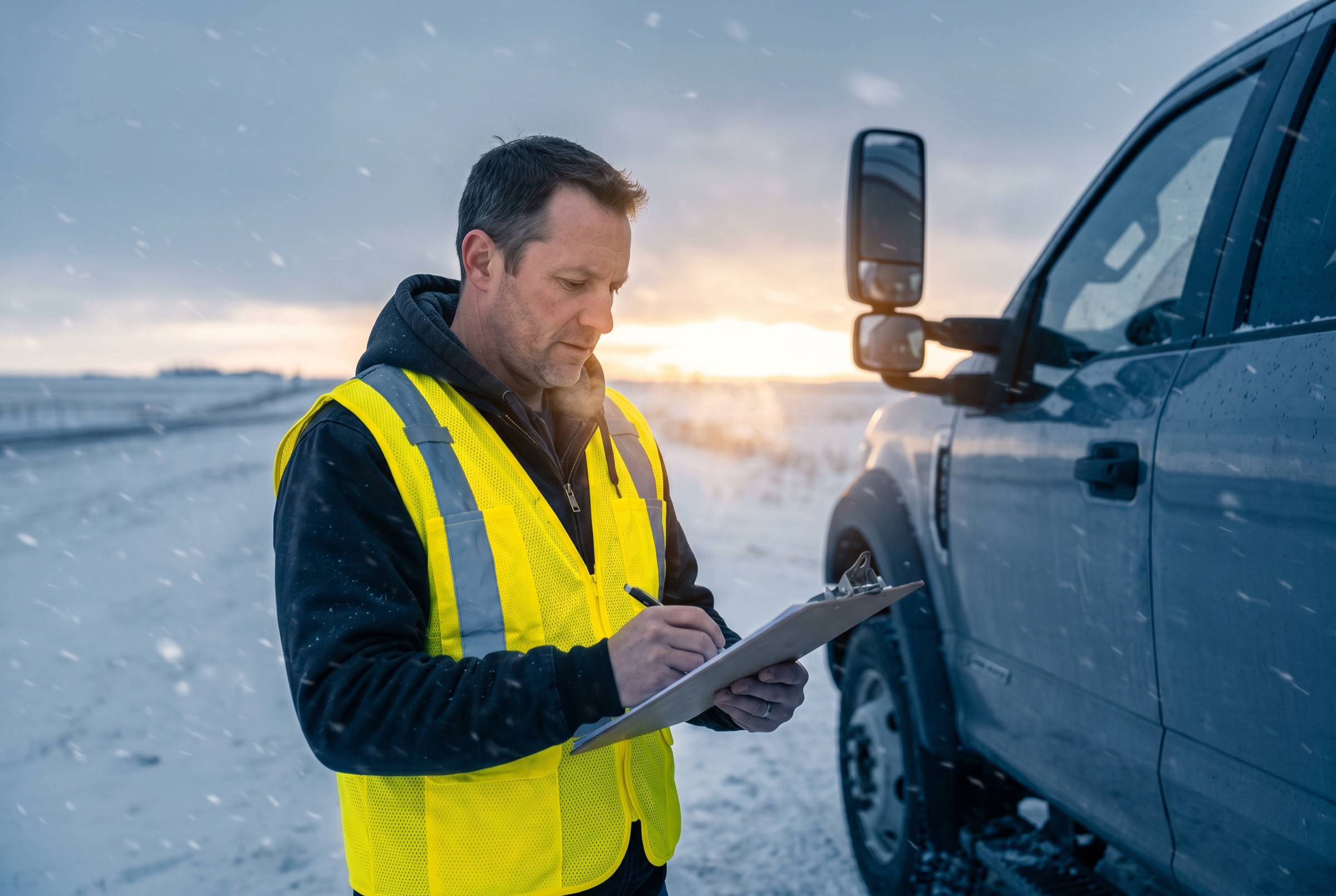
How employer responsibility is evaluated when driving-related incidents occur
Recent reporting on a fatal collision on Anthony Henday has drawn public attention. While investigations continue and details remain limited, I’m not writing to comment on this specific incident. I’m writing because, in my work with Alberta employers, I’ve seen how quickly a “traffic accident” can become a workplace safety issue — and how Alberta OHS may view driving connected to work very differently than leadership expects.
Why roadway incidents matter to employers
Driving for work is one of the most common — and most underestimated — safety exposures I encounter. It doesn’t resemble a traditional hazard. There’s no equipment, no confined space, no visible worksite. Yet vehicle-related incidents remain one of the leading causes of serious injury and fatality.
In practice, the risk is rarely ignored. It’s assumed to be covered. Workers move between sites. Supervisors pick up materials. Employees use personal vehicles. Schedules extend. Weather shifts. Expectations remain.
After a serious incident, I often hear: “We didn’t think of that as work.” Once something has gone wrong, that assumption carries little weight.
How Alberta OHS views driving for work
Alberta’s OHS framework is built on the Internal Responsibility System: responsibility follows control. Employers are expected to identify hazards, assess risk, and implement reasonable controls where work activities could expose workers — or others — to harm.
In my experience, driving for work frequently falls within that responsibility.
OHS does not expect employers to prevent every collision. It does expect that driving has been considered as a work-related hazard where applicable — including scheduling pressures, fatigue, supervision, and expectations placed on workers.
When incidents are reviewed, I’ve seen scrutiny extend well beyond the driver’s actions to planning decisions and how foreseeable risks were addressed beforehand.
The gaps around driving-related risk are rarely intentional. They typically show up in otherwise solid programs:
I’ve had conversations with owners confident their program was sound — until they tried to explain how driving risks were actually identified and managed.
If you’re unsure how your organization would describe its approach today, that uncertainty is usually a useful signal.
Before something goes wrong
Roadway incidents are a reminder that safety systems are often tested in places we didn’t expect. For Alberta employers, driving for work is one of those areas.
When employers ask what draws OHS scrutiny, it’s rarely a lack of intent. More often, it’s uncertainty about how risks were addressed before something happened.
If you want an informed view on how your safety program would likely be interpreted under Alberta OHS, we’re available to review it with you.
Not sure if your driving-for-work policy covers what Alberta OHS actually requires? We can walk through it with you.
Written by
Safety Ahead Team
Alberta-based safety consultants with decades of field experience — COR auditors, OHS advisors, and WCB specialists working with employers across the province.
About Safety AheadWe build and maintain Alberta safety programs that hold up under audit and inspection — hazard assessments, orientations, procedures, and ongoing support.
Safety Ahead services
Keep reading
How Safety Governance and Executive Oversight Strengthen Compliance and Inspection Readiness in Alberta
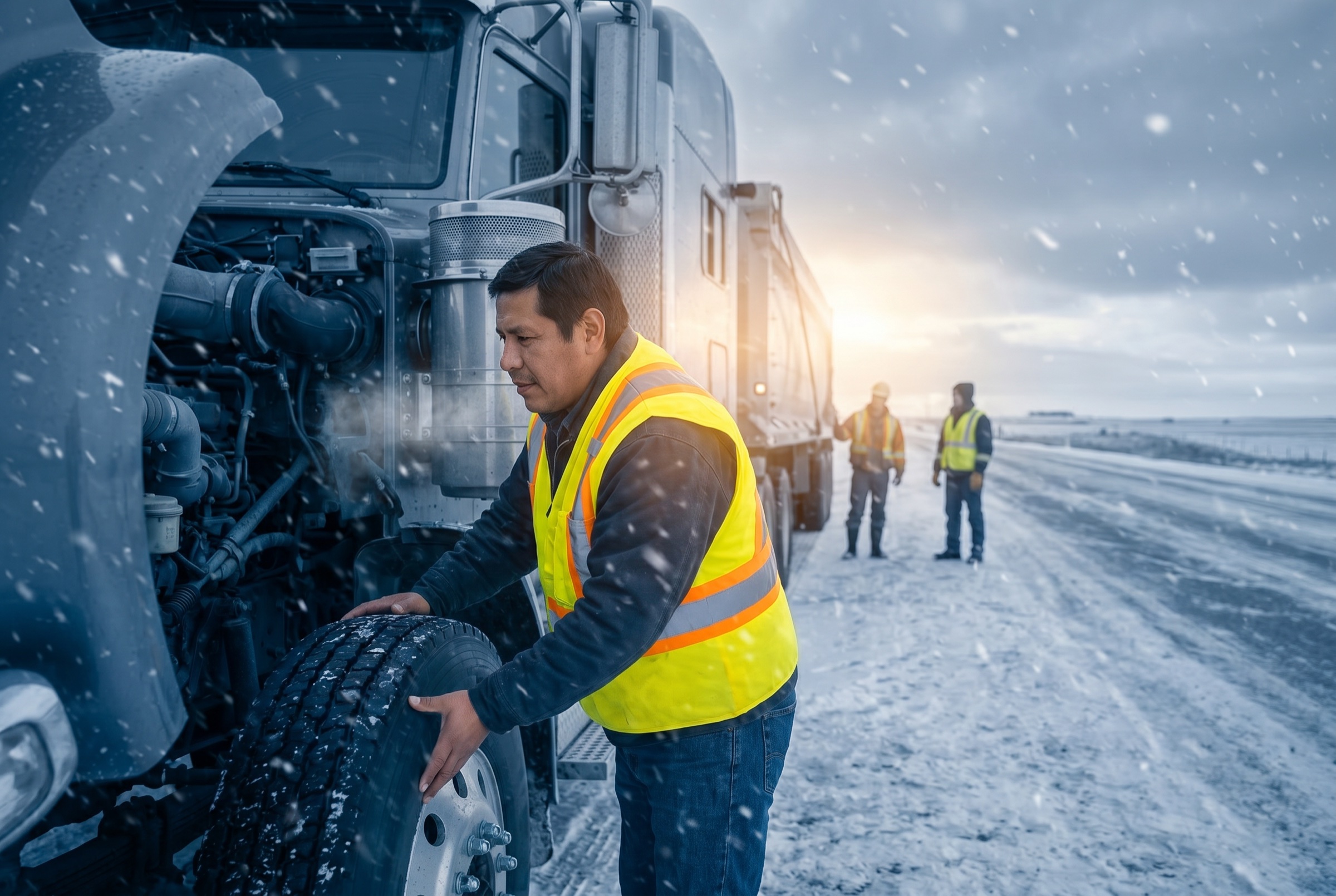
Alberta employers whose workers drive as part of their job have a legal duty to ensure those workers are equipped for winter road conditions. Here is what your fleet safety program needs to include before the snow flies.
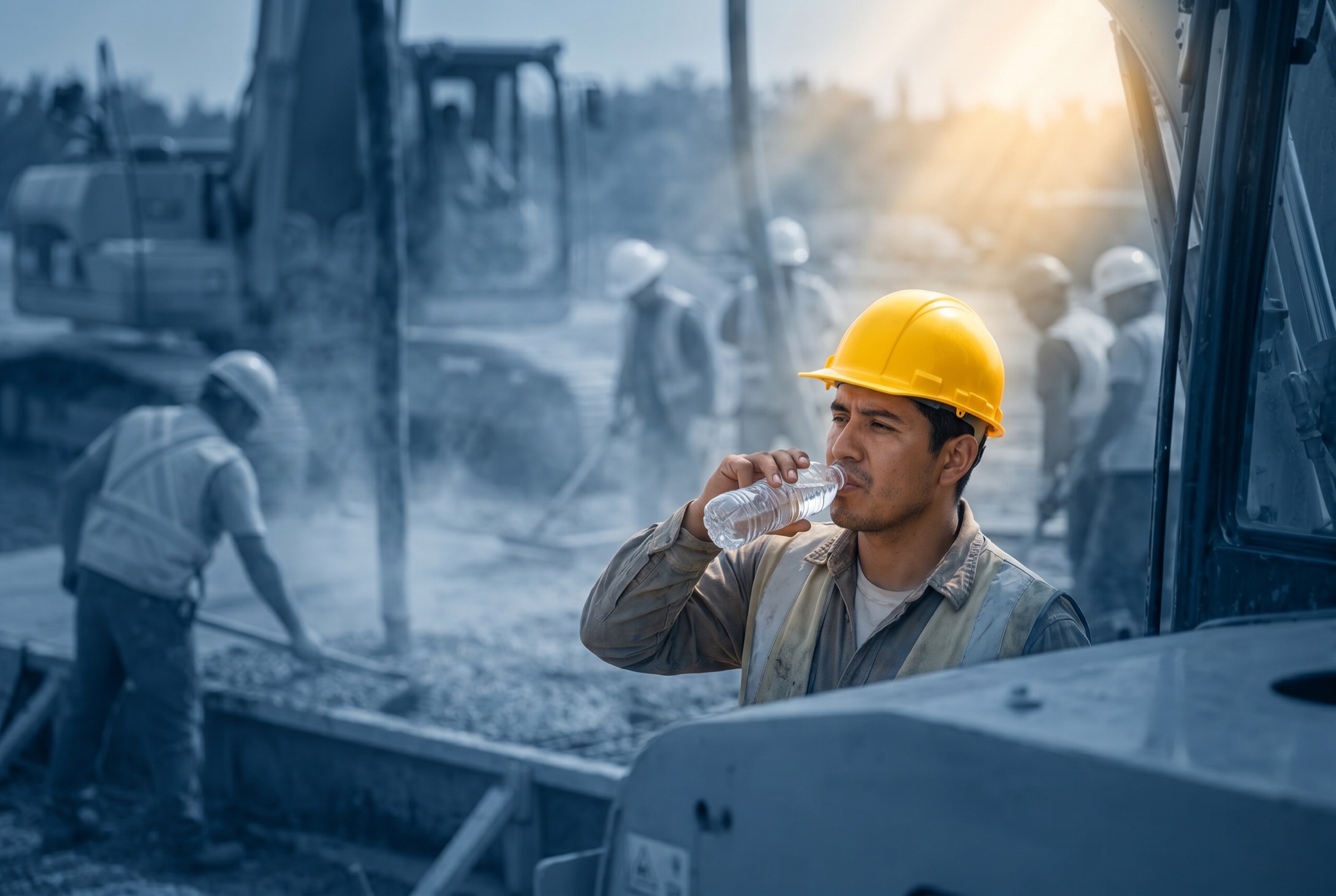
Heat stress is a recognized workplace hazard under Alberta's OHS Act, and employers have a duty to protect workers when temperatures rise. Here is what the legislation requires and what a practical heat illness prevention plan looks like.