
780-473-4772info@safetyahead.ca
Mon–Fri 7:30–4:30 · Fri closes 12:00 MTClosed
Safety Ahead Ltd.Safety Ahead Ltd.
BlogStore
Book a Consultation
Safety Ahead Ltd.Safety Ahead Ltd.
780-473-4772Book a Consultation info@safetyahead.ca
Safety Ahead Ltd. LogoSafety Ahead Ltd.

Senior safety management and compliance consulting for Alberta contractors — and companies working across provincial and US borders.

Safety in a Box Store

Services

  • All Safety Consulting Services
  • OHS Orders & Compliance
  • COR program & certification
  • SECOR — Small Employer Info
  • Safety Program Development
  • Safety System Assessment
  • Fractional Safety Manager
  • Supervisor & Team Training
  • Contractor Prequalification
  • WCB Claims Case Management
  • Incident Investigation
  • Safety Services Across Alberta

Alberta coverage

  • Across Alberta
  • Edmonton & Area
  • Calgary & Southern Alberta
  • Red Deer & Central Alberta
  • Northern Alberta

Industries

  • All Industries
  • Construction & Civil
  • Oil, Gas & Energy
  • Trades & Subcontractors
  • Manufacturing & Fabrication
  • Transportation & Logistics
  • Engineering & Technical Consulting
  • Equipment Rental & Industrial Services
  • Electrical Contractors

Resources

  • All Free Resources
  • OHS Order Response Checklist
  • COR Audit Checklist
  • Safety Program Checklist
  • Alberta OHS Glossary
  • Safety Insights Blog
  • Client References

Company

  • About Us
  • Careers
  • Contact
  • Privacy Policy

Contact

  • 780-473-4772
  • info@safetyahead.ca
  • #201, 10404 66 Ave NW
    Edmonton, AB T6H 5R6

Credentials & Memberships

NCSO — National Construction Safety OfficerCHSC — Canadian Health & Safety ConsultantProud Member of the Alberta Construction Safety AssociationProud Member of the Edmonton Chamber of Commerce

© 2026 Safety Ahead Ltd. All rights reserved.

Privacy Policy·Contact·Safety in a Box Store

Scout — Safety Ahead

Back Tuesday at 7:30 AM MT

  1. Home
  2. Safety Insights
  3. Preparing for Winter
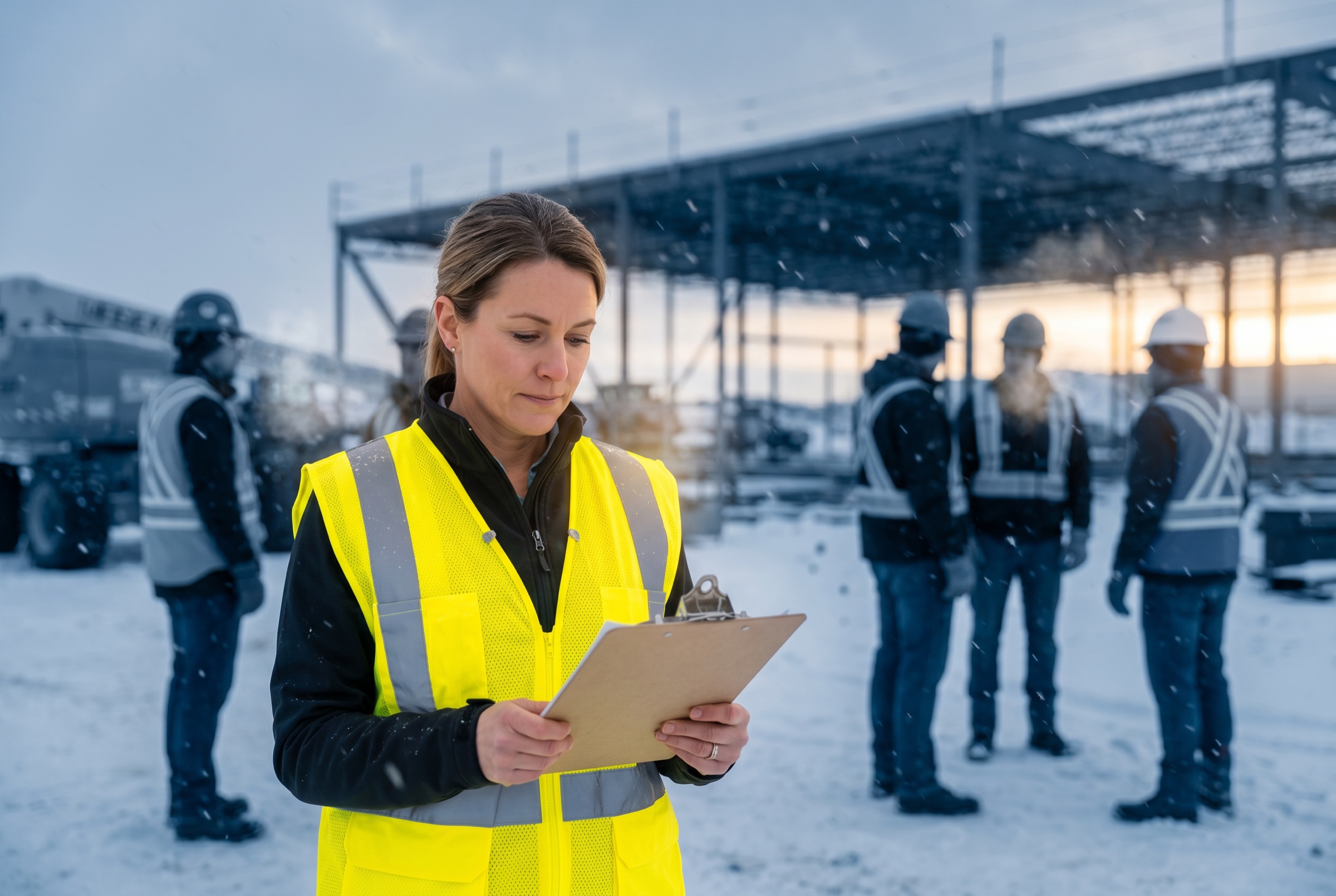
Alberta workers preparing equipment for winter operations, snow on the ground, spruce trees in background
Back to Safety Insights
Seasonal Safety 2018-10-05 3 min read

Preparing for Winter

Winter in Alberta is not a surprise — but every year, employers are caught without adequate cold weather protocols. Here is how to prepare your workers, your equipment, and your safety program before the first frost.

Before you know it, winter will be here in full force in Alberta. The time has come to get ready for winter and ensure we are ready for the seasons to change. Here are a few things to work on before the snow hits to ensure your vehicle and your worksite will be ready.

Preparing your Worksite - Tips

  • Start elevating all cords, cables and hoses.
  • Reduce equipment that may not be required in the work area.
  • Clear laydown areas of wood crates or pallets.
  • Ensure the ground is level and free of low spots or holes
  • Mark areas for the following: snow storage when clearing, sand storage, site vehicle parking.
  • Line up a skid steer contract or snow removal services.
  • Ensure an adequate supply of shovels, brooms, sandboxes and ice melt will be made available.
  • Check for lighting issues and provide adequate illumination to all work areas. Order light plants or spot lights. Keep in mind Site will be dark on arrival and chances are dark when you are leaving.
  • Flag or mark any immovable objects that could cause issues during snow clearing operations
  • Any overhead outdoor protection such as tarps should have adequate slopes to avoid snow from piling up.
  • Ensure workers are prepared or have obtained winter clothing
  • Clear all walkways and access routes once the snow has hit. This is a priority.
  • Equip all outdoor ladders required for access with anti-slip tape on the rungs.
  • Storage of all unused electrical tools in indoor environments.
  • Ensure that adequate heaters are provided on site or heated hoardings.
  • Get your vehicles winter ready- emergency kits, winter tires, snow brushes, winter windshield fluids.

Winter Driving Tips:

  • Buckle up before you start driving. Keep your seat belt buckled at all times.
  • SLOW DOWN! - Posted speed limits are for ideal travel conditions. Driving at reduced speeds is the best precautionary measure against any misfortune while driving on slippery roads.
  • Be alert. Black ice will make a road look like shiny new asphalt. Pavement should look grey-white in winter. "Black ice" is invisible.
  • Do not use cruise control. Winter driving requires you to be in full control at all times.
  • Reduce your speed while approaching intersections covered with ice or snow.
  • Allow for extra travelling time or even consider delaying a trip if the weather is inclement.
  • Drive with low-beam headlights on. Not only are they brighter than daytime running lights but turning them on also activates the tail lights. This makes your vehicle more visible.
  • Lengthen your following distance behind the vehicle ahead of you. Stopping distance on an icy road is double that of stopping on a dry one. For example, from around 45 meters (140 ft) at the speed of 60 km/h, to 80 meters (over 260 ft) on an icy road surface.
  • Stay in the right-hand lane except when passing and use turn signals when changing lanes.
  • Steer with smooth and precise movements. Changing lanes too quickly and jerky steering while braking or accelerating can cause skidding.
  • Be aware and slow down when you see a sign warning that you are approaching a bridge. Steel and concrete bridges are likely to be icy even when there is no ice on the asphalt surface, (because bridges over open air cool down faster than roads which tend to be insulated somewhat by solid ground.)
  • Consider getting off the road before getting stranded if the weather is worsening.
  • Be patient and pass other cars only when and if it is safe to do so.

If you require any assistance with Winter Preparedness, including developing a Winter Preparedness Program, Working in Severe Weather JHA's, or Preppiing a Worksite for Winter JHA, as always please feel free to give us a call at Safety Ahead and we would be happy to help you out!! 780-473-472.


Frequently Asked Questions

Elevate cords and hoses, clear laydown areas, level the ground, mark snow and sand storage areas, arrange snow removal services, provide shovels and ice melt, ensure proper lighting, and prepare workers with winter clothing.

Buckle up, slow down, avoid cruise control, use low-beam headlights, increase following distance, steer smoothly, and be cautious on bridges and icy intersections.

Vehicles should have emergency kits, winter tires, snow brushes, and winter windshield fluids, and outdoor ladders should have anti-slip tape on rungs.

Safety Ahead Ltd offers assistance with Winter Preparedness Programs, Working in Severe Weather JHAs, and Prepping a Worksite for Winter JHAs; you can contact them at 780-473-472.

Written by

Safety Ahead Team

Alberta-based safety consultants with decades of field experience — COR auditors, OHS advisors, and WCB specialists working with employers across the province.

About Safety Ahead
More in Seasonal Safety All articles
Seasonal Safety

Is your team prepared for Alberta's seasonal hazards?

We help Alberta employers build seasonal safety plans and emergency response procedures that actually get followed in the field — not just filed in a binder.

Talk to our team Our Safety Services

In this article

  • Preparing your Worksite - Tips
  • Frequently Asked Questions

Seasonal Safety

Is your team prepared for Alberta's seasonal hazards?

Talk to our team

Safety Ahead services

How our team can help with this in Alberta

  • Talk to our team
  • Our Safety Services

Keep reading

More in Seasonal Safety

View all
55% of Workplace Injuries Happen to First-Year Workers — My New Employee’s WCB Claim Exposed Costly Gaps in My Safety Program
3 min

55% of Workplace Injuries Happen to First-Year Workers — My New Employee’s WCB Claim Exposed Costly Gaps in My Safety Program

My first-year worker had an injury that revealed significant costs due to my lack of WCB and Return-to-Work processes.

Read
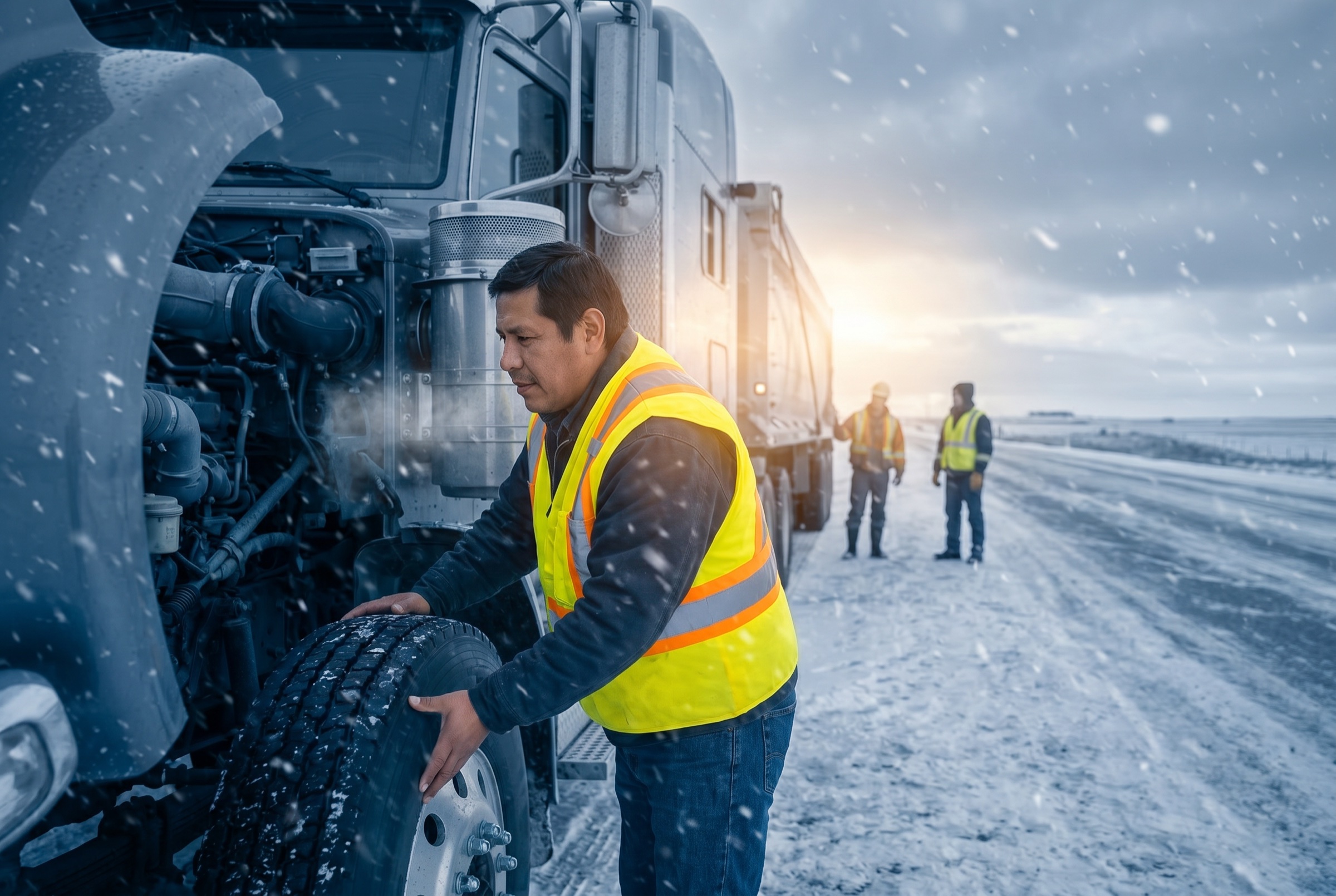
Winter Driving Tips!
5 min

Winter Driving Tips!

Alberta employers whose workers drive as part of their job have a legal duty to ensure those workers are equipped for winter road conditions. Here is what your fleet safety program needs to include before the snow flies.

Read
How to Protect Yourself from Flu Pandemics
3 min

How to Protect Yourself from Flu Pandemics

Influenza and respiratory illness outbreaks create real operational risk for Alberta employers, especially those with workers in close quarters or remote camps. Here is what your safety program should include before the next outbreak.

Read