780-473-4772info@safetyahead.ca
Mon–Fri 7:30–4:30 · Fri closes 12:00 MTClosed
Safety Ahead Ltd.Safety Ahead Ltd.
BlogStore
Book a Consultation
Safety Ahead Ltd.Safety Ahead Ltd.
780-473-4772Book a Consultation info@safetyahead.ca
Safety Ahead Ltd. LogoSafety Ahead Ltd.

Senior safety management and compliance consulting for Alberta contractors — and companies working across provincial and US borders.

Safety in a Box Store

Services

  • All Safety Consulting Services
  • OHS Orders & Compliance
  • COR program & certification
  • SECOR — Small Employer Info
  • Safety Program Development
  • Safety System Assessment
  • Fractional Safety Manager
  • Supervisor & Team Training
  • Contractor Prequalification
  • WCB Claims Case Management
  • Incident Investigation
  • Safety Services Across Alberta

Alberta coverage

  • Across Alberta
  • Edmonton & Area
  • Calgary & Southern Alberta
  • Red Deer & Central Alberta
  • Northern Alberta

Industries

  • All Industries
  • Construction & Civil
  • Oil, Gas & Energy
  • Trades & Subcontractors
  • Manufacturing & Fabrication
  • Transportation & Logistics
  • Engineering & Technical Consulting
  • Equipment Rental & Industrial Services
  • Electrical Contractors

Resources

  • All Free Resources
  • OHS Order Response Checklist
  • COR Audit Checklist
  • Safety Program Checklist
  • Alberta OHS Glossary
  • Safety Insights Blog
  • Client References

Company

  • About Us
  • Careers
  • Contact
  • Privacy Policy

Contact

  • 780-473-4772
  • info@safetyahead.ca
  • #201, 10404 66 Ave NW
    Edmonton, AB T6H 5R6

Credentials & Memberships

NCSO — National Construction Safety OfficerCHSC — Canadian Health & Safety ConsultantProud Member of the Alberta Construction Safety AssociationProud Member of the Edmonton Chamber of Commerce

© 2026 Safety Ahead Ltd. All rights reserved.

Privacy Policy·Contact·Safety in a Box Store

Scout — Safety Ahead

Back Tuesday at 7:30 AM MT

  1. Home
  2. Safety Insights
  3. Working in Poor Air Conditions
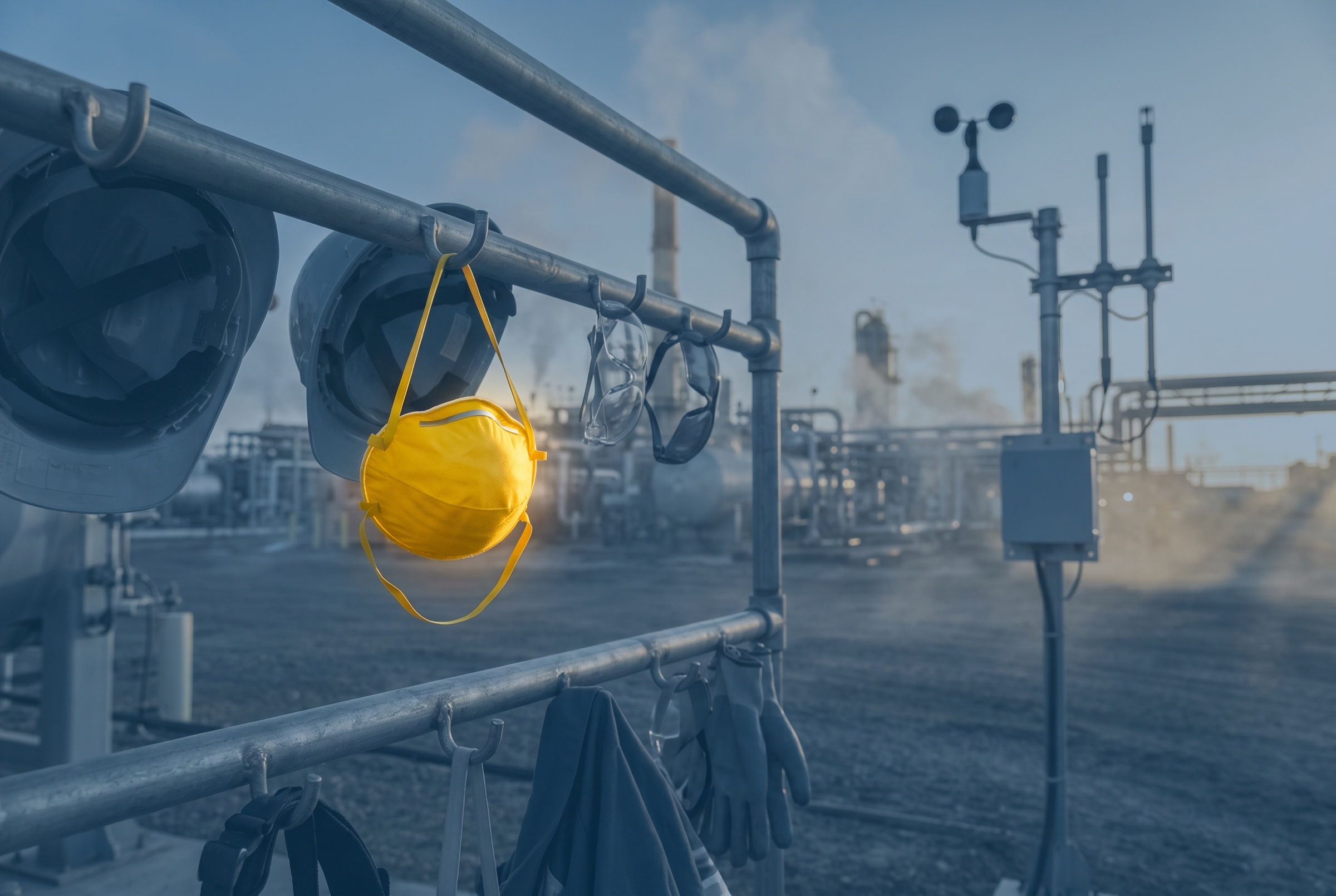
Alberta worker wearing a respirator at a job site with visible dust or smoke in the air
Back to Safety Insights
Safety Programs 2018-08-17 2 min read

Working in Poor Air Conditions

Poor air quality — from wildfire smoke, industrial emissions, or confined space hazards — is a serious OHS risk for Alberta workers. Employers must assess the hazard, communicate the risk, and implement controls before workers are exposed.

Wildfire Smoke Is Now an Alberta OHS Issue

British Columbia has declared a state of emergency due to the almost 600 wildfires that are plaguing the province. Hot, dry weather conditions have made the situation worse, along with lightning strikes causing even more fires to add to the problem.

Reading the Air Quality Health Index for Your Site

The smoke from the BC fires has been pushing into Alberta creating very poor air quality and air advisory warnings from Environment Canada to be issued. The Air Quality Health Index indicates that air quality is forecast as a 10 (High Risk) on August 17, and 9 overnight. Moving into the weekend it should drop to a moderate risk of 5.

Who Is Most at Risk from Poor Air Quality

Environment Canada recommends reducing or rescheduling strenuous activities outdoors if possible. People, especially the elderly and children, may experience symptoms such as increased coughing, throat irritation, dry/burning eyes, and headaches. People with pre-existing conditions such as COPD, heart conditions and asthma may experience symptoms that are worse than normal.

Practical Controls Employers and Workers Can Apply

During poor air quality conditions please see the following suggestions:

  • Limit outdoor activities as much as possible. Reschedule activities for days with a low risk rating.
  • Do not exercise outdoors, try going to a gym or indoor facility to limit exposure to smokey air.
  • Keep windows and doors closed to prevent outdoor air from coming inside as much as possible.
  • Turn off air conditioning units that pull air from outdoors into the building.
  • Limit strenuous outdoor activities whenever possible.
  • Limit outdoor time for children and limit the activities to prevent heavy breathing when outside.
  • Ensure to take all medications as prescribed for medical conditions, such as COPD, heart conditions and asthma, to control symptoms as much as possible.
  • If symptoms from poor air quality persist or become increasing worse over time without improvement, seek medical attention.
  • Consider rescheduling outdoor work activities when air quality is poor, based on hazard assessments and worker health, to reduce exposure to harmful air contaminants.
  • Take regular scheduled breaks if you must work outdoors and limit strenuous activities, such as manual lifting, for another day of possible.
  • Wear respiratory protection as required. Ensure that respiratory hazards are assessed, appropriate respiratory protective equipment is provided at no cost, and workers are trained on its proper use in accordance with Alberta OHS Code requirements.

We at Safety Ahead hold the people effected by the wildfires in our thoughts and hope the situation in BC can be controlled soon.

Building a Respiratory Code of Practice for Your Worksite

For information on how to develop a Respiratory Code of Practice, please call us at Safety Ahead for assistance! 780-473-4772!

Information and Photo Credits :

  • Global News
  • Environment Canada

Frequently Asked Questions

Employers must assess the hazard, communicate risks to workers, implement controls such as rescheduling outdoor work or engineering controls, and provide appropriate respiratory protection when exposure exceeds occupational exposure limits, in accordance with Alberta OHS Code requirements. While training on respiratory protection is required, there is no mandatory 'Respiratory Code of Practice' to develop or review.

Yes, employers must provide suitable respiratory protection when workers are exposed to hazardous air contaminants such as wildfire smoke, in accordance with Alberta OHS requirements and the workplace Respiratory Code of Practice.

Workers experiencing persistent or worsening respiratory symptoms should seek medical care promptly. Employers must comply with general OHS obligations to ensure worker health and safety and report workplace injuries or illnesses as required under WCB and OHS legislation.

Employers should assess workplace hazards, select and provide appropriate respiratory protection, train workers on proper use, and regularly review respiratory protection programs. Consulting OHS professionals can help tailor programs to workplace needs and ensure compliance with Alberta OHS requirements.

Written by

Safety Ahead Team

Alberta-based safety consultants with decades of field experience — COR auditors, OHS advisors, and WCB specialists working with employers across the province.

About Safety Ahead
More in Safety Programs All articles
Safety Program Development

Is your safety program actually working in the field?

We build and maintain Alberta safety programs that hold up under audit and inspection — hazard assessments, orientations, procedures, and ongoing support.

Request a program review Safety Program Checklist

In this article

  • Wildfire Smoke Is Now an Alberta OHS Issue
  • Reading the Air Quality Health Index for Your Site
  • Who Is Most at Risk from Poor Air Quality
  • Practical Controls Employers and Workers Can Apply
  • Building a Respiratory Code of Practice for Your Worksite
  • Frequently Asked Questions

Safety Program Development

Is your safety program actually working in the field?

Request a program review

Safety Ahead services

How our team can help with this in Alberta

  • Request a program review
  • Safety Program Checklist

Keep reading

More in Safety Programs

View all
Working in Poor Air Quality Conditions
2 min

Working in Poor Air Quality Conditions

Wildfire smoke and poor air quality events are increasingly common in Alberta, and the OHS Act requires employers to protect outdoor workers when air quality deteriorates. Here is how to monitor conditions and respond appropriately.

Read
Working in Hot Conditions
3 min

Working in Hot Conditions

Heat stress is a recognized workplace hazard under Alberta's OHS Act, and employers have a duty to protect workers when temperatures rise. Here is what the legislation requires and what a practical heat illness prevention plan looks like.

Read
Horror Isn’t Just on Halloween
2 min

Horror Isn’t Just on Halloween

Some of the most serious workplace incidents in Alberta happen when hazards become routine and workers stop seeing them. Here is how to reset your team's awareness before the next near-miss becomes a fatality.

Read