780-473-4772info@safetyahead.ca
Mon–Fri 7:30–4:30 · Fri closes 12:00 MTClosed
Safety Ahead Ltd.Safety Ahead Ltd.
BlogStore
Book a Consultation
Safety Ahead Ltd.Safety Ahead Ltd.
780-473-4772Book a Consultation info@safetyahead.ca
Safety Ahead Ltd. LogoSafety Ahead Ltd.

Senior safety management and compliance consulting for Alberta contractors — and companies working across provincial and US borders.

Safety in a Box Store

Services

  • All Safety Consulting Services
  • OHS Orders & Compliance
  • COR program & certification
  • SECOR — Small Employer Info
  • Safety Program Development
  • Safety System Assessment
  • Fractional Safety Manager
  • Supervisor & Team Training
  • Contractor Prequalification
  • WCB Claims Case Management
  • Incident Investigation
  • Safety Services Across Alberta

Alberta coverage

  • Across Alberta
  • Edmonton & Area
  • Calgary & Southern Alberta
  • Red Deer & Central Alberta
  • Northern Alberta

Industries

  • All Industries
  • Construction & Civil
  • Oil, Gas & Energy
  • Trades & Subcontractors
  • Manufacturing & Fabrication
  • Transportation & Logistics
  • Engineering & Technical Consulting
  • Equipment Rental & Industrial Services
  • Electrical Contractors

Resources

  • All Free Resources
  • OHS Order Response Checklist
  • COR Audit Checklist
  • Safety Program Checklist
  • Alberta OHS Glossary
  • Safety Insights Blog
  • Client References

Company

  • About Us
  • Careers
  • Contact
  • Privacy Policy

Contact

  • 780-473-4772
  • info@safetyahead.ca
  • #201, 10404 66 Ave NW
    Edmonton, AB T6H 5R6

Credentials & Memberships

NCSO — National Construction Safety OfficerCHSC — Canadian Health & Safety ConsultantProud Member of the Alberta Construction Safety AssociationProud Member of the Edmonton Chamber of Commerce

© 2026 Safety Ahead Ltd. All rights reserved.

Privacy Policy·Contact·Safety in a Box Store

Scout — Safety Ahead

Back Tuesday at 7:30 AM MT

  1. Home
  2. Safety Insights
  3. Can Your Workers Spot the Signs of Heat Illness?
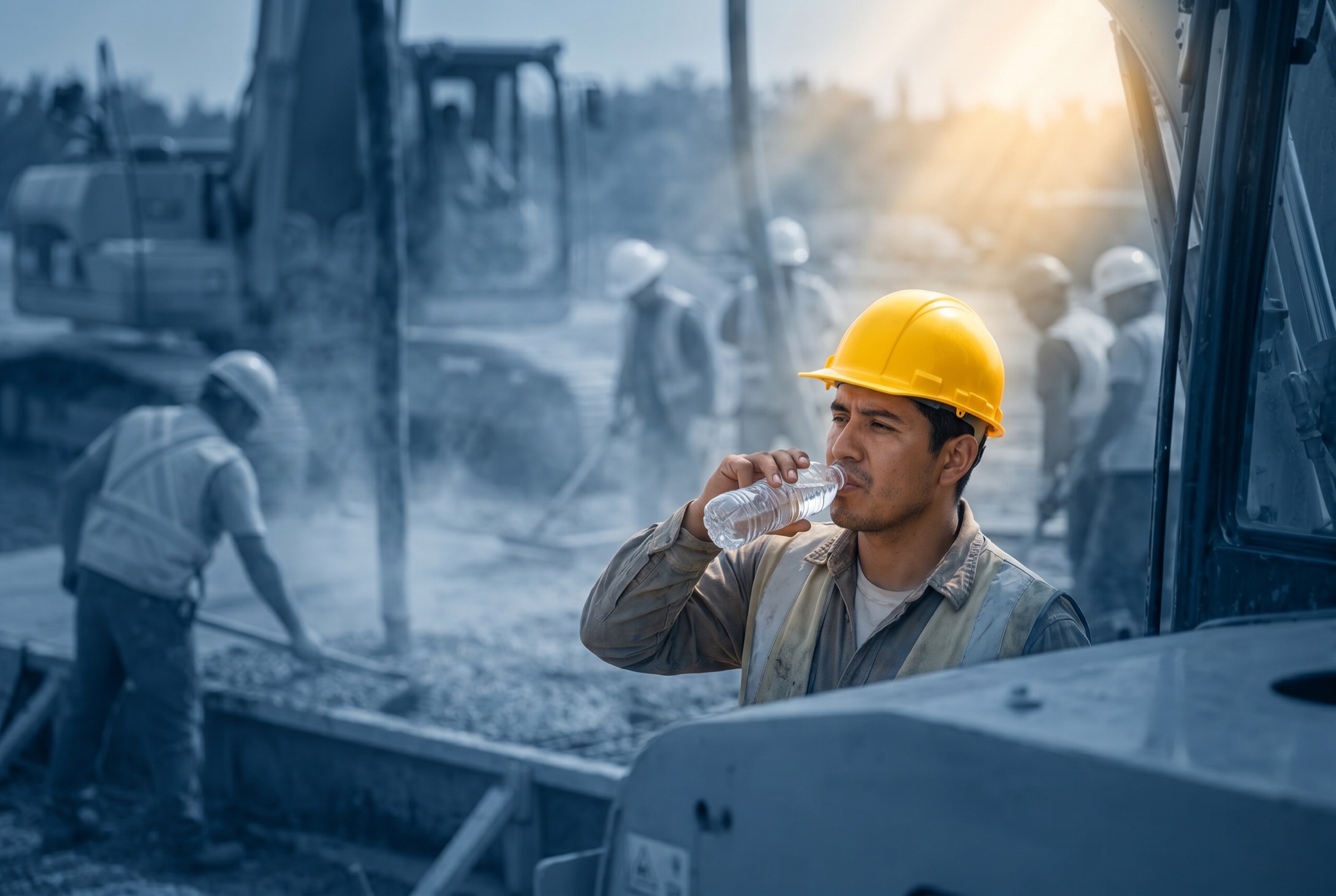
Alberta worker in a yellow hard hat drinking water on a hot summer day, prairie horizon visible
Back to Safety Insights
Seasonal Safety 2022-07-18 3 min read

Can Your Workers Spot the Signs of Heat Illness?

Training your workers to spot the signs of heat illness early can save lives.

The summer months bring countless opportunities to get out into the sun and enjoy the outdoors. While many people find themselves enjoying their time in the sun, it’s important to remember that tens of thousands of workers in Alberta spend 10-12 hours a day working in the heat and that extended time in the heat comes with potentially serious hazards.

Not everyone reacts to heat the same way. Many factors contribute to individual sensitivities, including age, weight, general heath, medical conditions, and medications. Some personal protective equipment can also contribute to heat illnesses, e.g., face masks, gloves, etc.**

Acclimatization also varies between individuals. On average it takes people 4 – 7 working days to become acclimatized to the heat but can take up to 3 weeks. Every time there is a rise in heat intervals the acclimatization period starts over. Often when the heat burden increases, workers begin to feel irritable, lose concentration and lose the ability to do skilled tasks or heavy work.*

On days when the temperature soars, it’s important to train your workers on how to recognize the signs and symptoms of the 4 major heat related illnesses:

  • Heat Rashes are tiny red spots that look like red clusters of pimples or small blisters. This inflammation occurs when the ducts of sweat glands become plugged during excessive sweating. They are commonly found on the neck or upper chest, groin area, under the breasts, and in elbow creases. Once the person is in a cooler area the rashes usually subside on their own.
  • Heat Cramps are sharp pains or spasms in the abdomen, arms, or legs. Cramps are caused by low salt levels in the muscles as a result of heavy sweating.
  • Heat Exhaustion is an extreme loss of water and salt in the body. Signs and symptoms include excessive sweating, weakness, vision problems, nausea, fatigue, dizziness or confusion, and pale, clammy skin. Heat exhaustion is serious and the worker should be brought immediately to receive medical attention.
  • Heat Stroke is an emergency and requires immediate first aid and medical attention. At this point the body is no longer sweating and has a dangerously elevated core temperature (often greater than 40 degrees Celsius). Symptoms include irrational behaviour, rapid pulse, confusion, slurred speech, hot, dry skin and loss of consciousness. Call 911 immediately and move the person to a cooler, shaded location.

A heat stroke victim is usually unable to recognize the heat stroke signs and symptoms. Their survival depends on a co-worker’s ability to recognize the symptoms and seek immediate medical help.*** Make sure to monitor every person on your job site to ensure they are adapting to working in the heat.***

5 Tips for Working Safely in Extreme Heat:

  • Stay hydrated. Drink water consistently throughout the day, up to a 250mls every 20 minutes, even when you don’t feel thirsty.
  • Wear appropriate clothing. Choose lighters materials that are loose fitting. Change your clothes if they become damp from excessive sweating.
  • Have a work buddy. Check-in with them throughout the day and watch for signs of heat illness.
  • Utilize a cooling station. Take mini-breaks and spend rest periods in a shaded, air-conditioned area.
  • Keep water nearby. Water isn’t just for drinking. Use water to dampen a cloth to wipe your face or put around your neck.

Not sure your heat illness procedures would hold up under an OHS inspection? We can walk through what Alberta requires.

* https://www.ccohs.ca/oshanswers/phys_agents/heat_health.html*

** https://open.alberta.ca/dataset/274fbdfe-c879-4c23-9fce-25a637417d0d/resource/4ecf13e4-e95a-4281-a969-89884789f14d/download/li-ohs-working-in-summer-2021-12.pdf**

*** https://open.alberta.ca/dataset/dc0a7530-64d4-481a-a0c9-2f1c7107d8db/resource/b6c78e81-c91c-4cd2-a244-7b93c5862d6f/download/68946222014workingsafelyheatcold2014-07whs-pubgs006.pdf***

Photo Credit: Summer Heat

Frequently Asked Questions

Workers should watch for heat rashes, heat cramps, heat exhaustion symptoms like excessive sweating and dizziness, and heat stroke signs such as confusion, hot dry skin, and loss of consciousness.

Acclimatization typically takes 4 to 7 working days but can take up to 3 weeks, and resets each time heat levels rise.

Call 911 immediately, move the person to a cooler, shaded area, and provide first aid as their body is no longer sweating and their core temperature is dangerously high.

Stay hydrated by drinking water regularly, wear light and loose clothing, use a work buddy system to monitor symptoms, take breaks in shaded or air-conditioned areas, and keep water nearby for cooling.

Written by

Safety Ahead Team

Alberta-based safety consultants with decades of field experience — COR auditors, OHS advisors, and WCB specialists working with employers across the province.

About Safety Ahead
More in Seasonal Safety All articles
Seasonal Safety

Is your team prepared for Alberta's seasonal hazards?

We help Alberta employers build seasonal safety plans and emergency response procedures that actually get followed in the field — not just filed in a binder.

Talk to our team Our Safety Services

In this article

  • * https://www.ccohs.ca/oshanswers/phys_agents/heat_health.html
  • Photo Credit: Summer Heat
  • Frequently Asked Questions

Seasonal Safety

Is your team prepared for Alberta's seasonal hazards?

Talk to our team

Safety Ahead services

How our team can help with this in Alberta

  • Talk to our team
  • Our Safety Services

Keep reading

More in Seasonal Safety

View all
Working in Hot Conditions
3 min

Working in Hot Conditions

Heat stress is a recognized workplace hazard under Alberta's OHS Act, and employers have a duty to protect workers when temperatures rise. Here is what the legislation requires and what a practical heat illness prevention plan looks like.

Read
How to Protect Yourself from Flu Pandemics
3 min

How to Protect Yourself from Flu Pandemics

Influenza and respiratory illness outbreaks create real operational risk for Alberta employers, especially those with workers in close quarters or remote camps. Here is what your safety program should include before the next outbreak.

Read
National Fire Prevention
4 min

National Fire Prevention

National Fire Prevention Week is a reminder that fire hazards exist in every Alberta workplace, not just industrial sites. A quick audit of your fire safety plan and emergency procedures can prevent a preventable tragedy.

Read