After the long winter we’ve had, we finally get to look forward to some warm sunny summer weather. But with that beautiful summer weather, we all know what comes along with that, and that’s.... Thunderstorms. Since a few of us have probably been caught in a few harsh thunderstorms throughout the years, I thought I would share some information that has protected me and pass it on to you when you find yourself in the middle of a storm. Whether it be hail, lightning or wind storms, these types of storms are very common in hot weather, especially during our summer months. They can become very dangerous and cause a lot of damage and potentially cause personal injuries. Being prepared and knowing what to do can be crucial to your safety and the safety of your family and loved ones. If you are located in the southern Alberta region it is definitely a good idea to know and understand what to do and how to protect yourself as they can get really severe thunderstorms as we’ve seen in the last few weeks.
Here are some ways you can better prepare yourself whether you are at home, outdoors or on a jobsite:
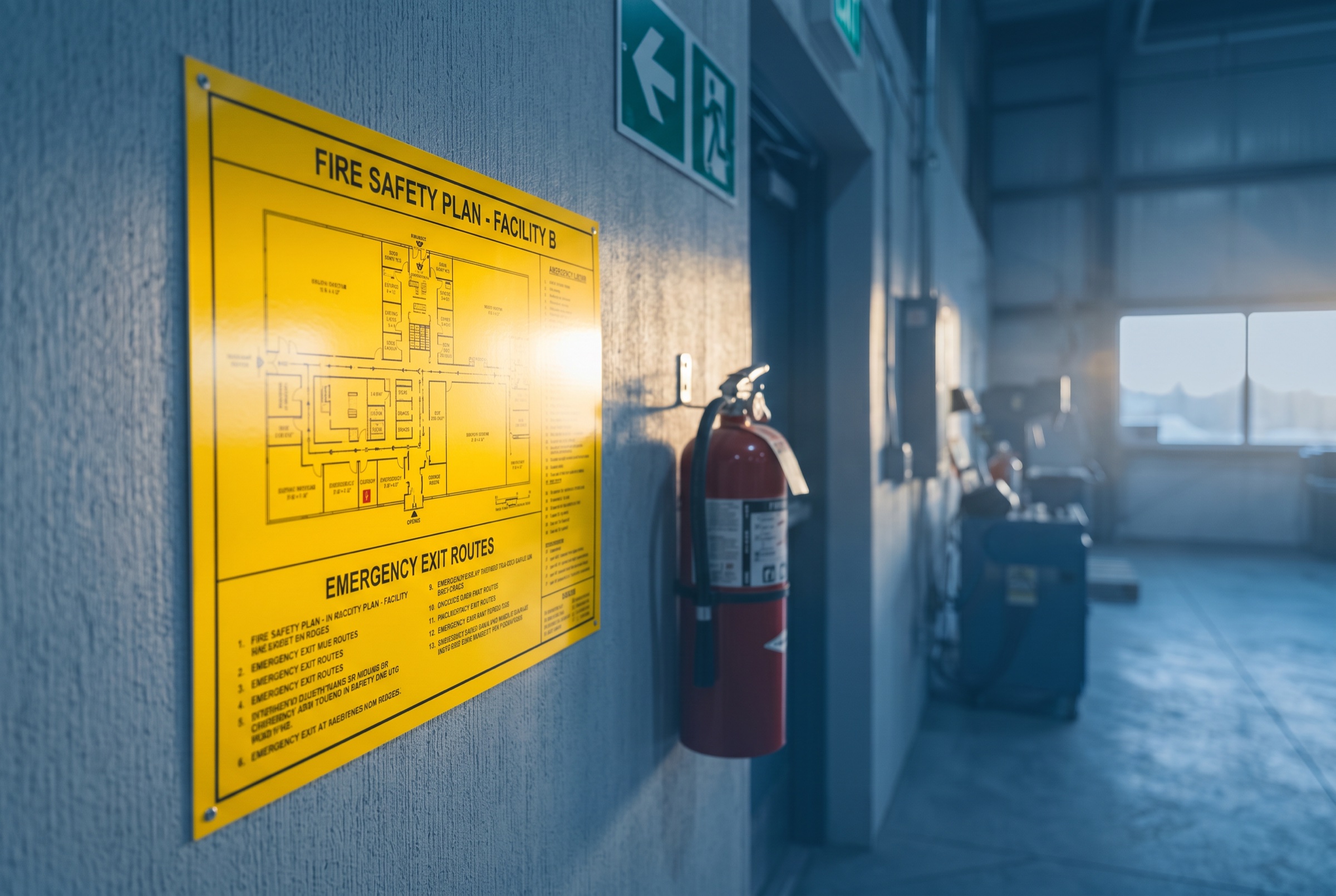
Employers must ensure the health and safety of workers on site, which includes preparing for severe weather hazards. Having an emergency response plan and training workers on it is strongly recommended as a best practice. This will make sure everyone is aware of what to do in case of exposure to severe weather while on site.
Having awareness is your first line of defense when dealing with the weather changing constantly. The site supervisor should be checking the weather forecast periodically and noting the weather forecast (current) in their log book. The site supervisor needs to inform the workers on site if a storm is approaching and let them know what precautions to take immediately. If lightning is approaching the site, ensure workers take shelter in a safe, fully enclosed building or trailer. Employers should follow their emergency response plan and ensure workers know appropriate actions. Employers and workers should consider using the 30/30 rule as a practical guideline to assess lightning risk and seek shelter accordingly.
While you are at home, it is a good idea to do some preparing before a thunderstorm hits your area.
Some things you can do to are:
- Keep your trees trimmed so if there is strong wind, there will be a less likely chance of them falling and either damaging yours or nearby properties or even striking someone.
- Tie down or put loose items away (ie: lawn or patio furniture, kids toys, trampolines, etc.) that could have the potential to blow away or get damaged.
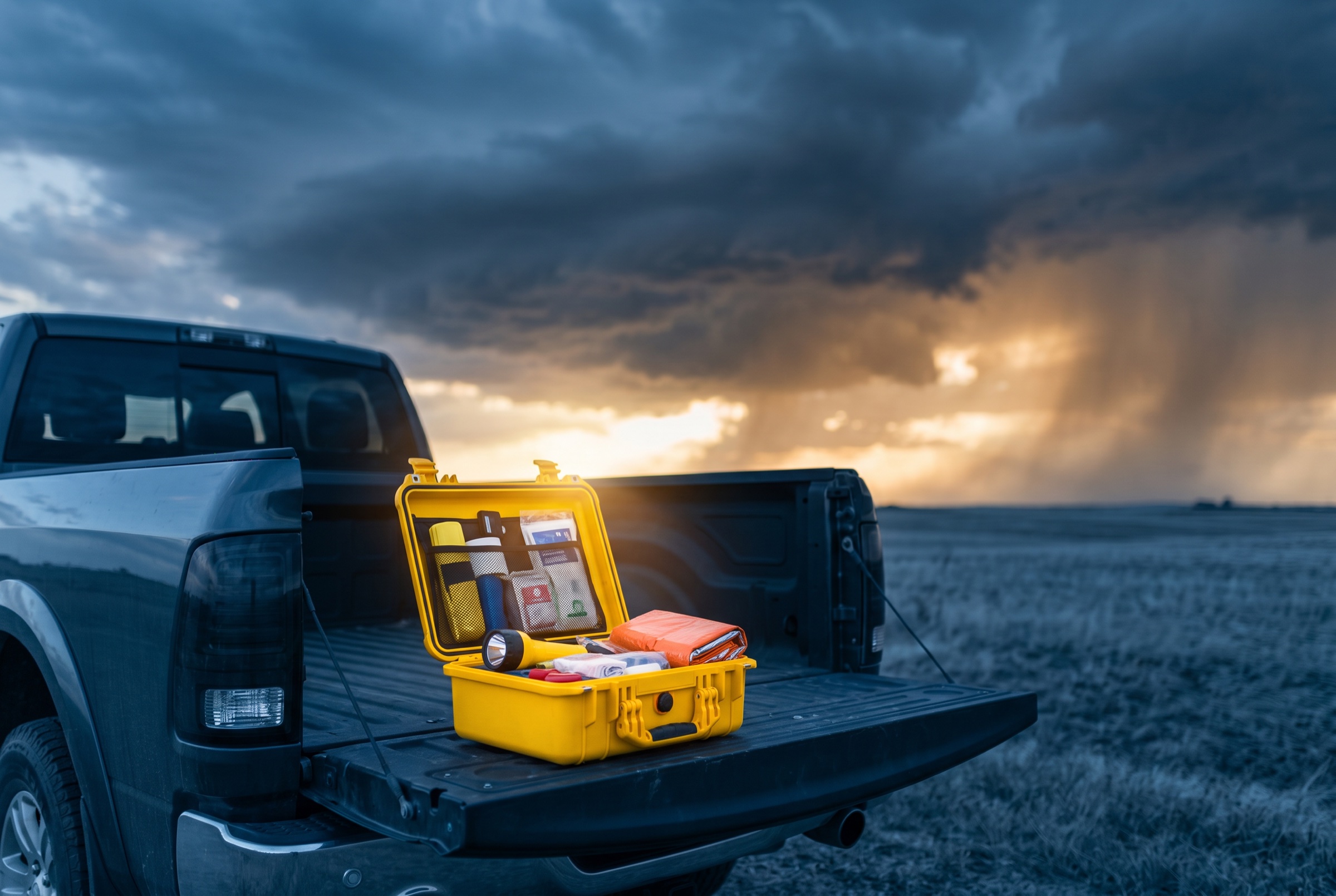
- It’s a good idea to have an emergency kit in the case of power going out such as; a flashlight, water, candles, non-perishable foods and a first aid kit.
- Unplug electronics within your house if and when safe to do so.
- Close all windows, doors and any openings
- Pull vehicles into you garage if you have one available
- Prepare to shelter in place and locate a spot in your house to hide such as under a stairwell or a closet in the basement or main floor.
- No correction needed; this is acceptable general advice.
- Utilize the 30/30 rule. (Count the seconds between seeing lightning and hearing thunder. If this time is less than 30 seconds, lightning is a threat. Seek shelter immediately.)
There is an app that is available to track lightning strikes that you can download onto your phone called Lightning Alarm (available for Apple and and Android phones).
Hail Storms
Hail storms can be the scariest and potentially the most dangerous if you are caught outside. I was at the lake a few years ago and was caught in a hail storm, I was running around battening down the hatches with a frying pan on my head to avoid getting golf ball sized pieces of hail to the head.
Hail storms can be very damaging for anyone who is caught in one.
Before the hail hits ensure you do the following:
- Move vehicles into a garage (if possible).
- Store all out door items that can get damaged or blown away in an enclosed area such as a shed, garage or an outdoor storage cabinet.
- Ensure to remove dead trees and branches close to your home.
- Bring all animals indoors or under shelter.
These are some tips to follow during a hail storm:
- Stay indoors and away from any windows or sky lights.
- If outdoors, try to seek shelter in a solid building.
- Do not stay outdoors where there is a potential that that area can be flooded.
- Ensure to close all blinds to protect from broken glass.
Lightning Storms
Lightning occurs about once every three seconds in Canada.
Lightning is up to a million times more powerful than household current, and it can be deadly. In Canada, lightning takes an average of six to seven lives every year and seriously injures up to 60 to 70 people. Lightning causes about half the forest fires in Western Canada, the number of lightning strikes in Eastern Canada is highest in Windsor, Ontario followed by Toronto and Hamilton. Lightning usually strikes protruding object (trees, towers, buildings, etc.) and higher ground. Metal objects also are a very high risk of getting struck by lightning.
When a person is struck by lightning, injury could be made worse from personal electronic devices such as cell phones, ear phones. Metal conducts electricity, if you are wearing jewelry, or if you have coins and personal electronic devices on yourself it has been known to cause burns from the electricity.
30 / 30 Rule
If a thunderstorm is in the forecast, re-assess your daily Hazard Assessment. Lightning can strike several kilometers away from the source of the storm. If you can hear thunder the storm is not far from you, you are considered in the high danger zone if you are less than 10 kilometers away. To figure out how far away you are, use the 30 / 30 Rule:
- If you can count up to 30 seconds or less between lightning strikes and thunder than you must seek shelter immediately.
- Until you have waited at least 30 minutes after hearing the last clap of thunder or seeing a lightning strike, do not resume any outdoor activities.
Make sure that the risk of a lightning strike has passed completely before resuming any outdoor activities. It is very important to know what to do, and what not to do. It is a very bad idea to use a tree to protect yourself for the reason that electricity from the lightning strike will hit the tree run down the trunk passing through the roots and into the ground.
Do:
- Stay clear of high ground and open spaces
- Seek shelter in a house, large building or motor vehicle. Keep windows and doors shut.
- If you are in a flat, open field, assume the “lightning crouch”, bend down keep your head tucked to your chest or between your knees and put your hand on your knees. Maintain minimum contact with the ground (keep on the balls of your feet). (refer to lightning crouch images below)
- Keep yourself at least 15 – 30 meters (50 – 100 feet) apart from another person.
- Avoid contact with metal. Stay at least 30 meters (100 feet) away from metal fences and take off shoes that have metal cleats.
- Stay away from water, including lakes and puddles.
- Stay sheltered until the storm is over, refer to the 30 / 30 Rule.
- Cancel all outdoor activities and move inside.
Do Not:
- Don’t seek shelter under a tree, in a shed or in a small, open building if possible.
- Don’t lie on the ground.
- Don’t use the phone or electrical appliances unless absolutely necessary.
- Don’t use mobile phones outdoors.
- Don’t travel in a severe storm. If you are caught in your car, open the windows a bit and park the car off the road away from power lines. Avoid parking under low laying bridges
- Don’t try to finish your activity.
If you have any questions or would like Safety Ahead to develop a working in severe weather program contact us today at info@safetyahead.ca or call us at 780-473-4772!