780-473-4772info@safetyahead.ca
Mon–Fri 7:30–4:30 · Fri closes 12:00 MTClosed
Safety Ahead Ltd.Safety Ahead Ltd.
BlogStore
Book a Consultation
Safety Ahead Ltd.Safety Ahead Ltd.
780-473-4772Book a Consultation info@safetyahead.ca
Safety Ahead Ltd. LogoSafety Ahead Ltd.

Senior safety management and compliance consulting for Alberta contractors — and companies working across provincial and US borders.

Safety in a Box Store

Services

  • All Safety Consulting Services
  • OHS Orders & Compliance
  • COR program & certification
  • SECOR — Small Employer Info
  • Safety Program Development
  • Safety System Assessment
  • Fractional Safety Manager
  • Supervisor & Team Training
  • Contractor Prequalification
  • WCB Claims Case Management
  • Incident Investigation
  • Safety Services Across Alberta

Alberta coverage

  • Across Alberta
  • Edmonton & Area
  • Calgary & Southern Alberta
  • Red Deer & Central Alberta
  • Northern Alberta

Industries

  • All Industries
  • Construction & Civil
  • Oil, Gas & Energy
  • Trades & Subcontractors
  • Manufacturing & Fabrication
  • Transportation & Logistics
  • Engineering & Technical Consulting
  • Equipment Rental & Industrial Services
  • Electrical Contractors

Resources

  • All Free Resources
  • OHS Order Response Checklist
  • COR Audit Checklist
  • Safety Program Checklist
  • Alberta OHS Glossary
  • Safety Insights Blog
  • Client References

Company

  • About Us
  • Careers
  • Contact
  • Privacy Policy

Contact

  • 780-473-4772
  • info@safetyahead.ca
  • #201, 10404 66 Ave NW
    Edmonton, AB T6H 5R6

Credentials & Memberships

NCSO — National Construction Safety OfficerCHSC — Canadian Health & Safety ConsultantProud Member of the Alberta Construction Safety AssociationProud Member of the Edmonton Chamber of Commerce

© 2026 Safety Ahead Ltd. All rights reserved.

Privacy Policy·Contact·Safety in a Box Store

Scout — Safety Ahead

Back Tuesday at 7:30 AM MT

  1. Home
  2. Safety Insights
  3. Winter Driving Tips
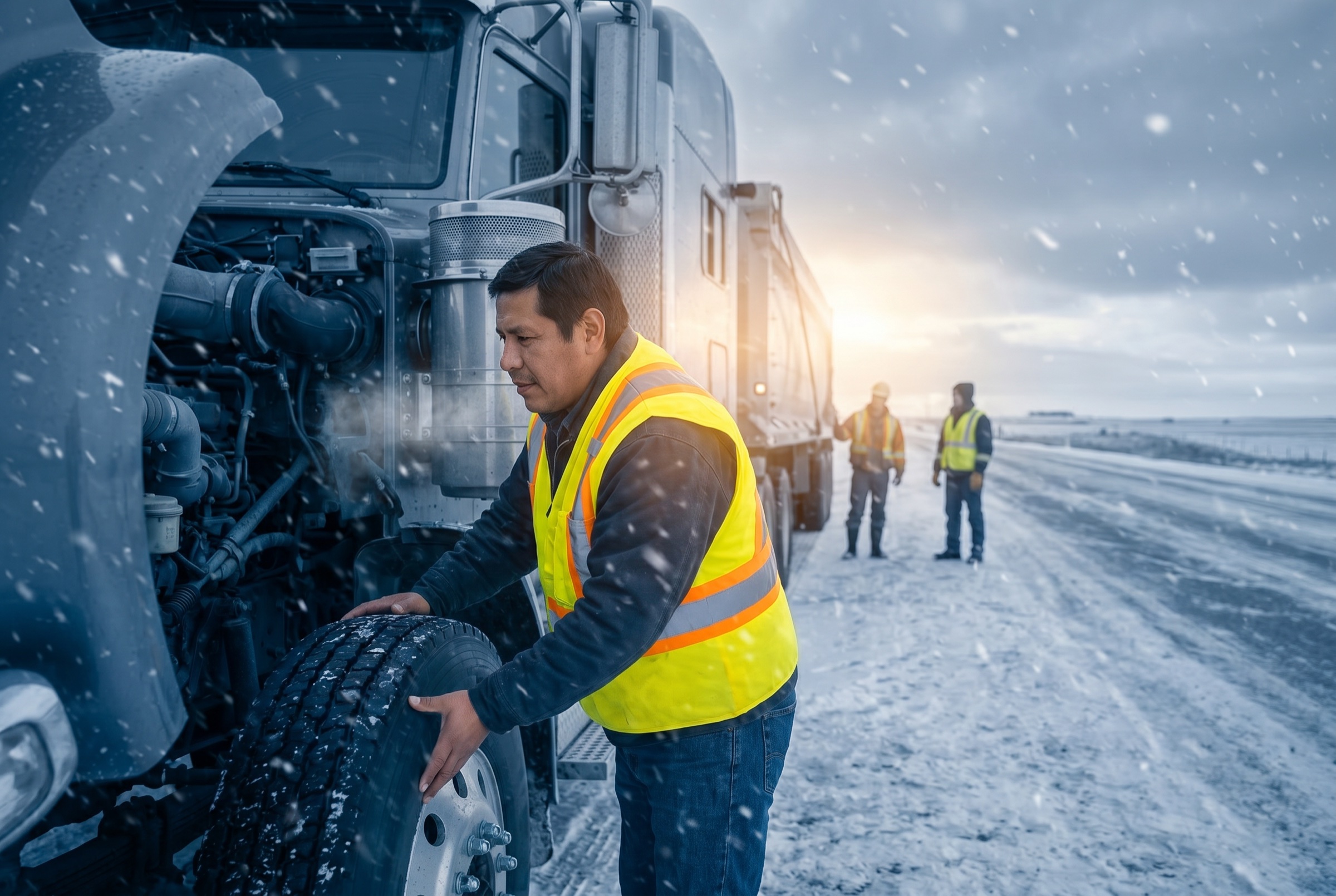
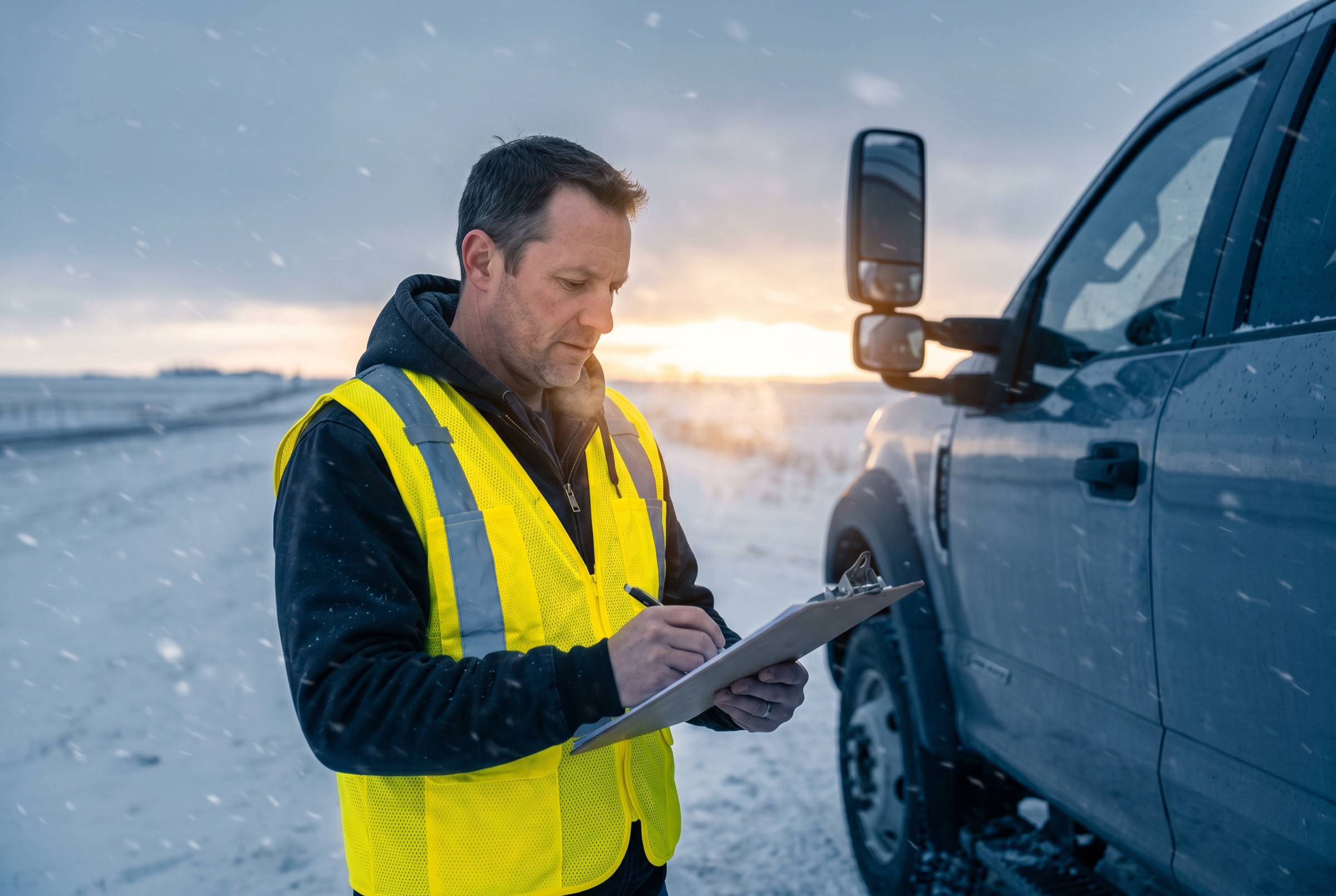
Alberta driver checking tire tread before winter driving, snow on the ground
Back to Safety Insights
Seasonal Safety 2018-01-11 5 min read

Winter Driving Tips

Winter driving in Alberta is one of the most common causes of worker injury and fatality. These practical tips apply whether you're driving a personal vehicle or a company truck — and your employer is responsible for making sure you know them.

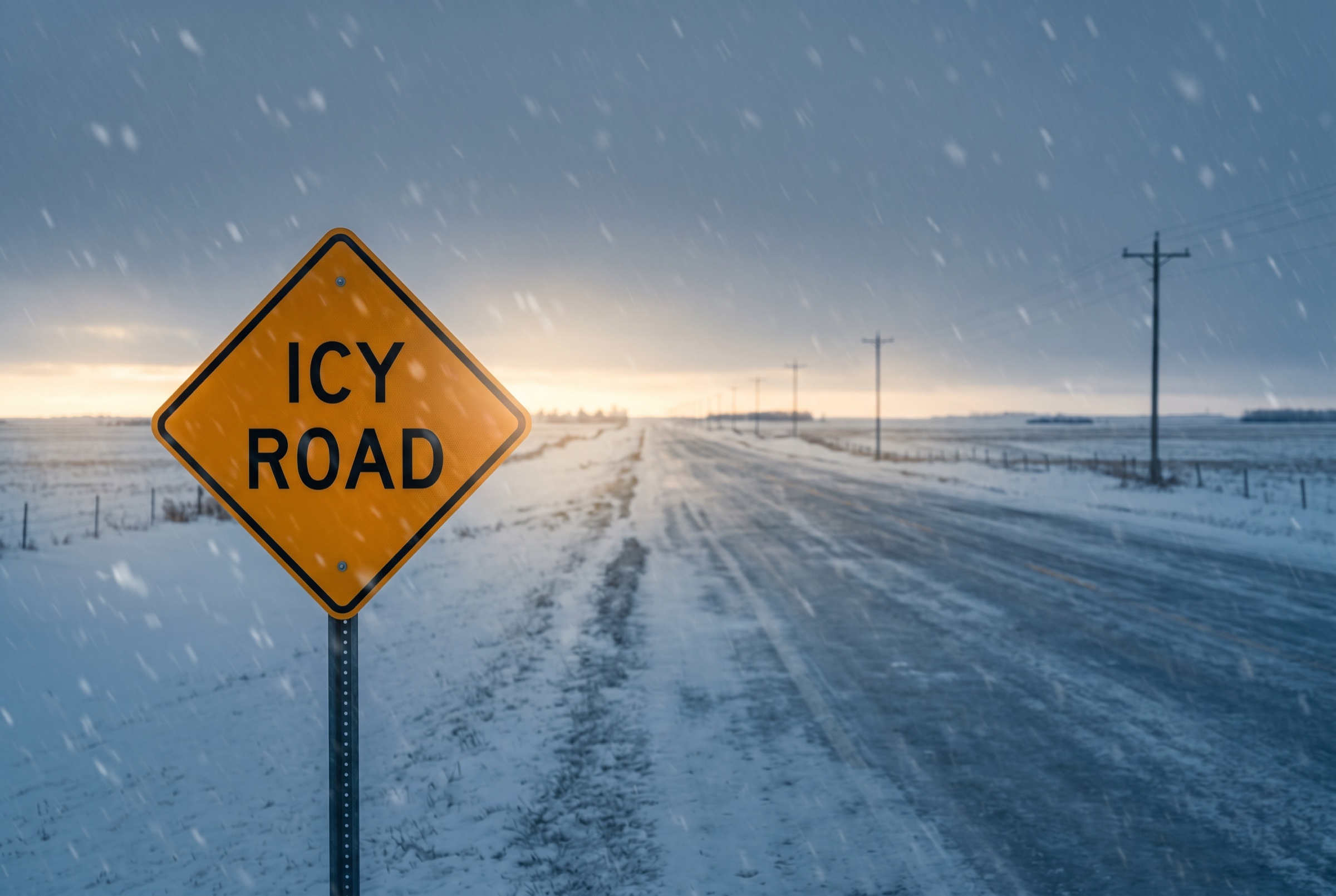
Given the recent weather and road conditions in Edmonton, Alberta, what better time to discuss the do’s and don’ts of winter driving? Edmonton experienced an extremely high amount of vehicles collisions on January 11, 2018 due to the icy road conditions. Edmonton Police responded to over 70 property damage vehicle collisions and 5 injury collisions in a span of 4 hours during the early morning hours. The majority of these could have been prevented by driving in a manner that is appropriate for the weather and road conditions. Please have a look at the tips below to help improve your winter driving awareness!

Driving Tips

  • Plan adequate time for travel and plan the route. Ensure your destination is aware of your starting point and give them an estimated time of arrival.
  • When travelling, check the weather conditions/highway conditions before you leave. Plan or alter your trip accordingly.
  • Allow your vehicle enough time to heat up prior to operating.
  • Ensure the windshield, lights and mirrors are clear of snow/ice prior to driving.
  • Never panic if found in an emergency situation.
  • Have a communication device to call for help/tow trucks/Emergency response.
  • Never attempt to leave your vehicle and walk in poor weather conditions.
  • Do not leave your vehicle unlocked while it is warming up, many vehicle thefts occur during this time.
  • Do not use cruise control in icy road conditions.
  • Ensure you are mentally alert and not fatigued in any way if you are planning to drive. Do not attempt driving if you are tired, stressed or upset in any way.
  • Ensure you have an Emergency Kit in your vehicle that includes items such as emergency blankets, a flashlight with extra batteries, a first aid kit, emergency snacks such as granola bars and dried fruit, water, road triangles, an ice scraper/snow brush, a snow shovel, etc.

Good Driving Habits during Winter Conditions

  • Buckle up before you start driving. Keep your seat belt buckled at all times.
  • SLOW DOWN! - Posted speed limits are for ideal travel conditions. Driving at reduced speeds is the best precautionary measure against any misfortune while driving on slippery roads.
  • Be alert. Black ice will make a road look like shiny new asphalt. Pavement should look grey-white in winter. "Black ice" is invisible.
  • Do not use cruise control. Winter driving requires you to be in full control at all times.
  • Reduce your speed while approaching intersections covered with ice or snow.
  • Allow for extra travelling time or even consider delaying a trip if the weather is inclement.
  • Drive with low-beam headlights on. Not only are they brighter than daytime running lights but turning them on also activates the tail lights. This makes your vehicle more visible.
  • Lengthen your following distance behind the vehicle ahead of you. Stopping distance on an icy road is double that of stopping on a dry one. For example, from around 45 meters (140 ft) at the speed of 60 km/h, to 80 meters (over 260 ft) on an icy road surface.
  • Stay in the right-hand lane except when passing and use turn signals when changing lanes.
  • Steer with smooth and precise movements. Changing lanes too quickly and jerky steering while braking or accelerating can cause skidding.
  • Be aware and slow down when you see a sign warning that you are approaching a bridge. Steel and concrete bridges are likely to be icy even when there is no ice on the asphalt surface, (because bridges over open air cool down faster than roads which tend to be insulated somewhat by solid ground.)
  • Consider getting off the road before getting stranded if the weather is worsening.
  • Be patient and pass other cars only when and if it is safe to do so.

Reacting if you start to skid

  • DO NOT PANIC
  • DO NOT BRAKE
  • DO NOT ACCELERATE
  • Look where you want your vehicle to go and steer in this direction.
  • If you're using automatic transmission, shift to neutral. However, if you cannot do that immediately, do not touch the transmission gear.
  • If you're using manual transmission, declutch.

If you get stuck or stranded in the snow

  • Don't panic.
  • Avoid over-exertion and over-exposure to the cold. Cold weather can put extra stress on the heart and contribute to the hazards of over-exertion. Sweaty clothes next to the skin are not good insulators against the cold.
  • Stay in the car if you cannot shovel your car out of the snow.
  • Stay in the car in blizzard conditions - Do not leave the car for assistance unless help is visible within about 90 metres or 100 yards.
  • Turn on flashing lights or set up flares. A brightly coloured cloth on the radio antenna may make your vehicle more visible in daylight.
  • Run the car engine occasionally (about 10 minutes every hour) to provide heat (and to conserve fuel). Ensure that the tail exhaust pipe is free of snow and keep the window opened slightly (on the side shielded from the wind) to prevent the build-up of carbon monoxide when the engine is running.
  • Bundle up in a blanket. If there is more than one person in the car, sharing the blankets will be warmer than either person alone in a blanket.
  • Wear a hat and scarf - the head and neck are major sources of heat loss from the body.
  • Monitor for any signs of frostbite and hypothermia.
  • Never fall asleep when alone. If there is more than one person in the car, take turns sleeping.
  • Do not stay in one position too long. Do some exercises to help the circulation - move arms and legs, clap your hands, etc.
  • Stay alert and watch for traffic or rescuers.

Above all, pay attention when driving during winter conditions and drive defensively. You may not be able to control the other vehicles on the road but you can prepare yourself use the above mentioned tips to assist in ensuring your arrive to your destination safely. From everyone here at Safety Ahead, keep your eyes on the road and stay safe out there!


Frequently Asked Questions

Plan your route and travel time, check weather and road conditions before leaving, clear snow and ice from your vehicle, avoid using cruise control, and keep an emergency kit in your vehicle.

Do not panic, brake, or accelerate; instead, look where you want to go and steer smoothly in that direction, shift to neutral if using automatic transmission, or declutch if using manual.

Stay in your vehicle, avoid over-exertion, keep warm with blankets and clothing, run the engine occasionally with the exhaust pipe clear, turn on flashing lights or flares, and stay alert for rescuers.

Because stopping distances on icy roads can be double those on dry roads, reducing speed and increasing following distance helps prevent collisions and allows more time to react safely.

Is your safety program keeping up with seasonal changes?

Download our free Safety Program Gap Assessment — find the gaps before Alberta's next season creates a hazard your program doesn't cover.

Download Free Assessment

Written by

Safety Ahead Team

Alberta-based safety consultants with decades of field experience — COR auditors, OHS advisors, and WCB specialists working with employers across the province.

About Safety Ahead
More in Seasonal Safety All articles
Seasonal Safety

Is your team prepared for Alberta's seasonal hazards?

We help Alberta employers build seasonal safety plans and emergency response procedures that actually get followed in the field — not just filed in a binder.

Talk to our team Our Safety Services

In this article

  • Driving Tips
  • Good Driving Habits during Winter Conditions
  • Reacting if you start to skid
  • Frequently Asked Questions

Seasonal Safety

Is your team prepared for Alberta's seasonal hazards?

Talk to our team

Safety Ahead services

How our team can help with this in Alberta

  • Talk to our team
  • Our Safety Services

Keep reading

More in Seasonal Safety

View all
Winter Driving Tips!
5 min

Winter Driving Tips!

Alberta employers whose workers drive as part of their job have a legal duty to ensure those workers are equipped for winter road conditions. Here is what your fleet safety program needs to include before the snow flies.

Read
Driving for Work and Alberta OHS: What Employers Should Know
2 min

Driving for Work and Alberta OHS: What Employers Should Know

How employer responsibility is evaluated when driving-related incidents occur

Read
Preparing for Winter
3 min

Preparing for Winter

Winter in Alberta is not a surprise — but every year, employers are caught without adequate cold weather protocols. Here is how to prepare your workers, your equipment, and your safety program before the first frost.

Read